
Why Your TV Choice Actually Matters
Americans spend over 7 hours daily watching TV, and the wrong choice means thousands of hours watching inferior picture quality. Poor contrast and limited brightness make dark movie scenes look murky and HDR content washed out. Budget TVs often hide input lag and response time specs that create frustrating delays in gaming and sports.
A quality TV should last 7 to 10 years of daily use, making it one of your home's most important long-term investments. We tested flagship OLED, QD-OLED, and mini-LED models against budget options to find the best TVs at every price point. The gap between great and mediocre TVs is bigger than you think.
How We Tested
We tested TVs using professional calibration equipment including a SpectraCal C6 colorimeter and CalMAN software to measure brightness, contrast, color accuracy, and gamma curves. Each TV was evaluated with reference-grade 4K HDR content, gaming consoles, and streaming services. We were surprised to find some budget mini-LED TVs delivered contrast approaching OLED levels at half the price.
Our Top Picks
Best TVs 2026
LG C5 OLED
The best TV for most people. Perfect blacks, stunning colors, and next-gen gaming features.
Bottom Line
The LG C5 OLED delivers the best overall TV experience for 2026. OLED technology produces perfect blacks and infinite contrast that LCD panels simply cannot match. The new AI Super Upscaling 4K intelligently enhances lower-resolution content while the Wow Orchestra feature syncs audio with LG soundbars for immersive sound.
Pros/Cons
Pros
- Perfect blacks and infinite contrast create stunning picture depth impossible on LCD panels
- Four HDMI 2.1 ports support 4K 120Hz gaming on PS5, Xbox Series X, and high-end PCs
- AI Super Upscaling 4K enhances any content to near-native 4K quality
- Dolby Vision and Dolby Atmos support delivers exceptional picture and sound
Cons
- OLED panels risk permanent burn-in with static content like news tickers or gaming HUDs
- Peak brightness falls short of high-end mini-LED TVs in very bright rooms
- Built-in speakers deliver mediocre sound quality, soundbar recommended for best experience
Full Specifications
- Display Sizes: 48", 55", 65", 77", 83"
- Resolution: 4K (3840 x 2160)
- Panel Type: OLED Evo
- HDR: Dolby Vision, HDR10, HLG
- Refresh Rate: 120Hz
- Gaming Features: 4x HDMI 2.1, 120Hz, VRR, ALLM
Samsung S95F OLED
The brightest OLED TV available. Flagship features with glare-free screen technology.
Bottom Line
The Samsung S95F delivers the brightest OLED picture we've ever tested in 2026. QD-OLED technology combines OLED's perfect blacks with peak brightness that crushes the competition. The new glare-free coating eliminates reflections in bright rooms while maintaining vibrant colors.
Pros/Cons
Pros
- QD-OLED panel delivers brightest OLED picture available with stunning peak brightness
- Glare-free screen technology eliminates reflections in bright rooms
- 164Hz Motion Xcelerator provides ultra-smooth gaming and sports viewing
- Samsung Vision AI optimizes picture settings for any content automatically
Cons
- Premium pricing significantly above the LG C5 for incremental improvements
- No Dolby Vision support, uses Samsung's HDR10+ format instead
- Tizen smart platform less intuitive than LG's webOS
Full Specifications
- Display Sizes: 55", 65", 77"
- Resolution: 4K (3840 x 2160)
- Panel Type: QD-OLED
- HDR: HDR10+, HDR10, HLG
- Refresh Rate: 144Hz
- Gaming Features: 4x HDMI 2.1, 144Hz, VRR, FreeSync Premium Pro
Sony BRAVIA 8 II
The most accurate picture quality for film enthusiasts. Sony's cinematic expertise shines.
Bottom Line
The Sony BRAVIA 8 II delivers the most accurate, filmmaker-intended picture quality of any TV in 2026. The XR Processor with AI Technology analyzes content the way human eyes perceive, creating natural color, contrast, and motion that feels remarkably lifelike. For movie enthusiasts who care about absolute accuracy, Sony's processing is unmatched.
Pros/Cons
Pros
- XR Processor with AI delivers most accurate, natural picture processing available
- QD-OLED panel combines perfect blacks with excellent brightness and wide color gamut
- Exceptional motion handling with 24fps film content, zero soap opera effect
- Dolby Vision and Dolby Atmos support ensures movies display as filmmakers intended
Cons
- Premium pricing makes it expensive for similar QD-OLED panel technology
- Only two HDMI 2.1 ports limits connectivity for multiple gaming consoles
- Google TV interface can feel cluttered with recommendations and ads
Full Specifications
- Display Sizes: 55", 65", 77"
- Resolution: 4K (3840 x 2160)
- Panel Type: QD-OLED
- HDR: Dolby Vision, HDR10, HLG
- Refresh Rate: 120Hz
- Gaming Features: 2x HDMI 2.1, 120Hz, VRR, ALLM
Hisense U8K
Flagship mini-LED performance at mid-range pricing. Exceptional value for the features.
Bottom Line
The Hisense U8K delivers flagship mini-LED performance at a price that undercuts premium competitors by hundreds of dollars. The 144Hz Game Mode Pro, over 1000 local dimming zones, and Dolby Vision IQ produce picture quality that rivals TVs costing twice as much.
Pros/Cons
Pros
- Mini-LED backlighting with 1000+ dimming zones delivers excellent contrast
- 144Hz Game Mode Pro with VRR provides smooth, responsive gaming
- Dolby Vision IQ automatically adjusts HDR based on ambient light
- Peak brightness handles bright rooms and HDR highlights impressively
Cons
- Blooming visible around bright objects on dark backgrounds compared to OLED
- Only two HDMI 2.1 ports limits connectivity for multiple devices
- Viewing angles narrower than OLED, colors shift when viewing from sides
Full Specifications
- Display Sizes: 55", 65", 75", 85"
- Resolution: 4K (3840 x 2160)
- Panel Type: Mini-LED QLED
- HDR: Dolby Vision IQ, HDR10+, HDR10, HLG
- Refresh Rate: 144Hz
- Gaming Features: 2x HDMI 2.1, 144Hz, VRR, ALLM, AMD FreeSync
TCL S4
Premium smart TV features at an unbeatable budget price point.
Bottom Line
The TCL S4 delivers premium smart TV features at a budget price that makes 4K accessible to everyone. Google TV provides seamless access to all streaming apps, Dolby Vision HDR enhances picture quality, and Dolby Atmos creates immersive sound from the built-in speakers.
Pros/Cons
Pros
- Exceptional value with 4K resolution and Dolby Vision at budget pricing
- Google TV platform is polished, fast, and includes all major streaming apps
- Dolby Atmos support enhances audio without external speakers
- Voice Remote with Google Assistant built-in for hands-free control
Cons
- 60Hz refresh rate limits smooth motion and gaming capabilities
- Basic LED panel lacks contrast and black levels of OLED or mini-LED
- No HDMI 2.1 means no 4K 120Hz gaming support
Full Specifications
- Display Sizes: 43", 50", 55", 65", 75", 85"
- Resolution: 4K (3840 x 2160)
- Panel Type: LED
- HDR: Dolby Vision, HDR Pro, HDR10, HLG
- Refresh Rate: 60Hz
- Gaming Features: HDMI 2.0, 60Hz, ALLM
Compare All Models
| TV Model | Score | Best For | Panel Type | Gaming | |
|---|---|---|---|---|---|
Editor's Choice 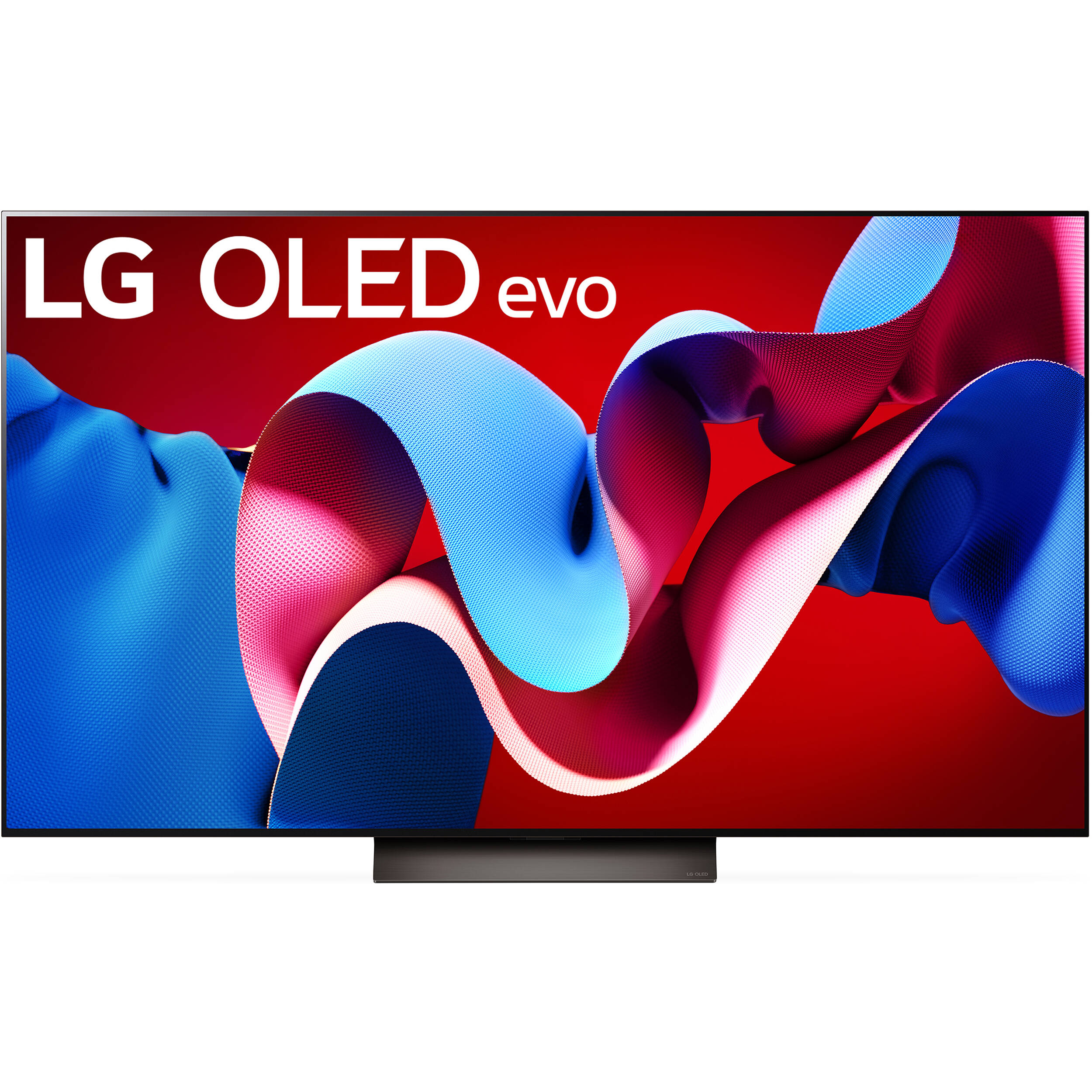 LG C5 OLED | 9.6 IMPRESSIVE | Best Overall | OLED | ✓ | Buy |
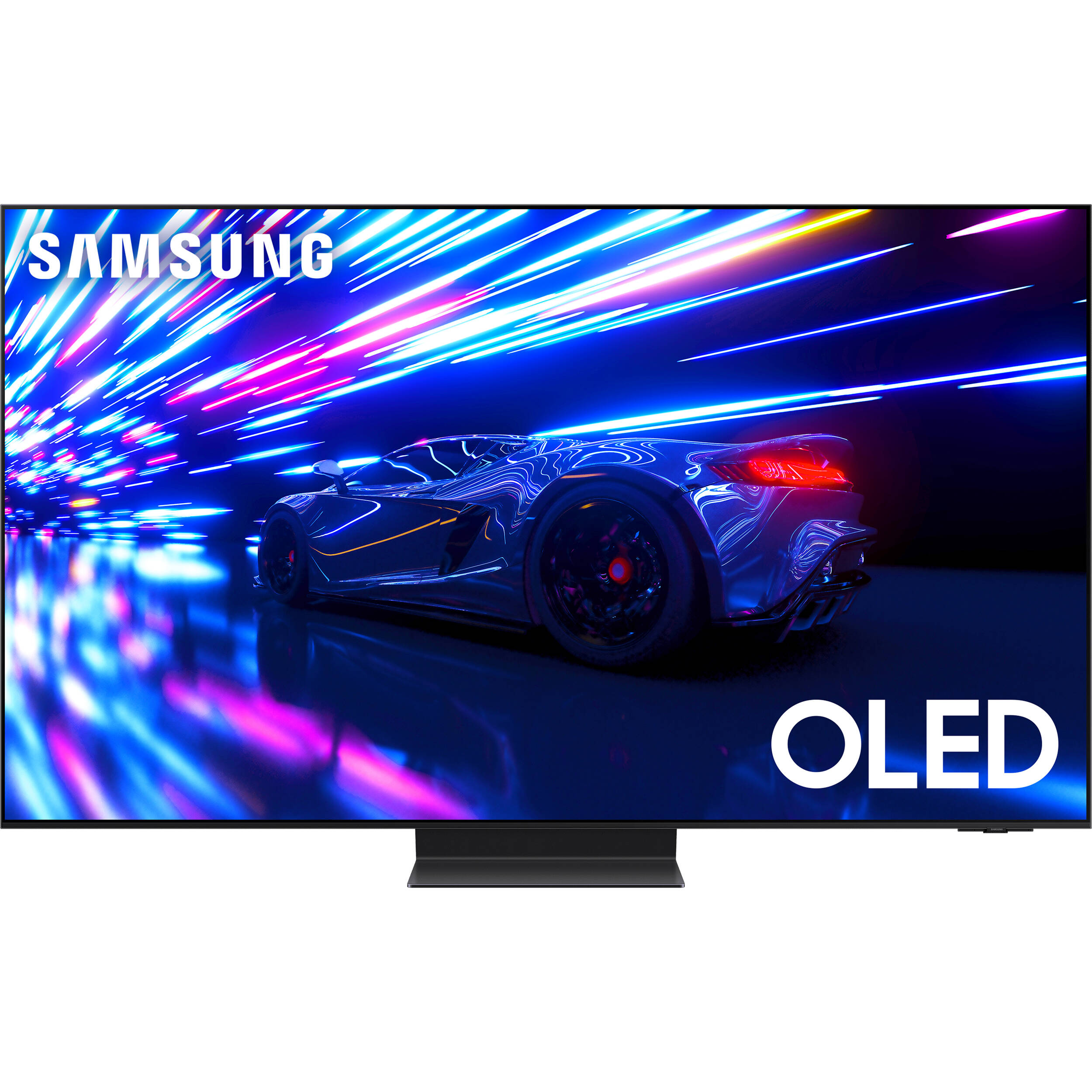 Samsung S95F OLED | 9.4 IMPRESSIVE | Best Premium | OLED | ✓ | Buy |
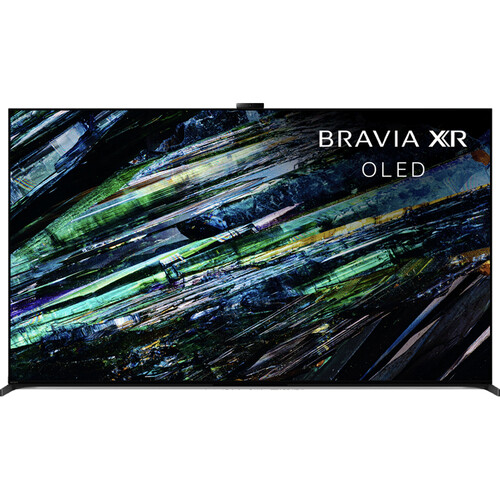 Sony BRAVIA 8 II | 9.2 IMPRESSIVE | Best for Movies | OLED | ✓ | Buy |
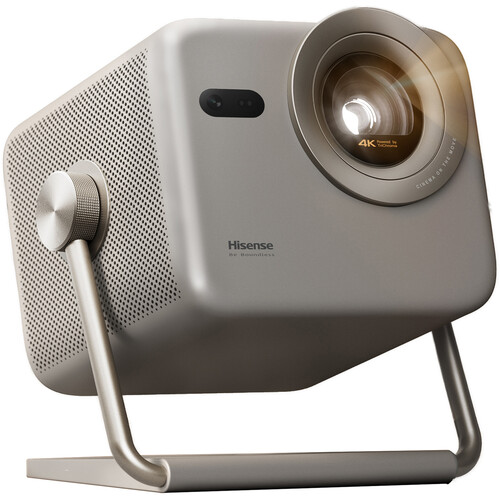 Hisense U8K | 8.8 GOOD | Best Value | Mini-LED | ✓ | Buy |
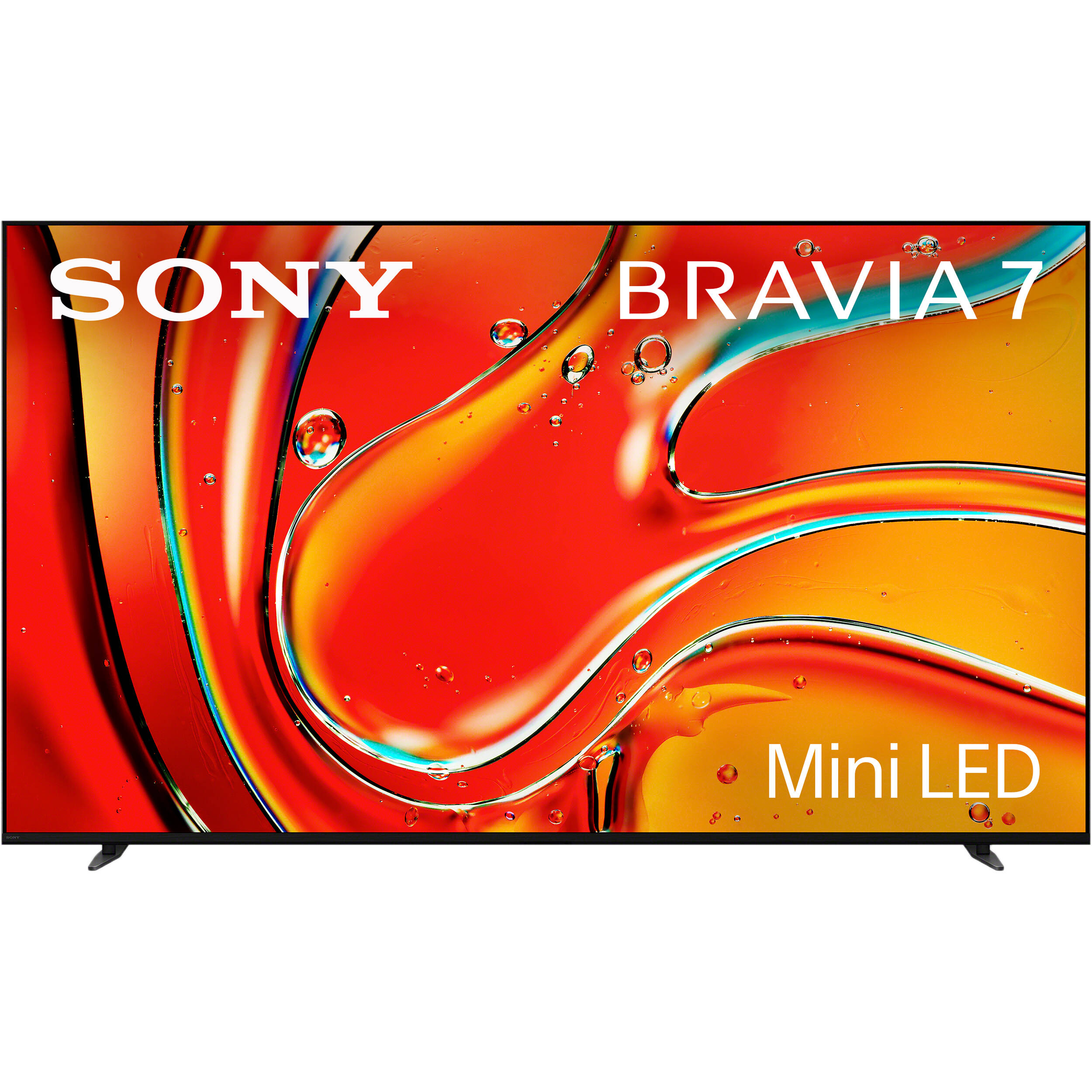 TCL S4 | 8.2 GOOD | Best Budget | Mini-LED | ✓ | Buy |
Our Top Pick
LG C5 OLED
- Perfect blacks and infinite contrast from OLED Evo technology
- Four HDMI 2.1 ports for PS5, Xbox, and PC gaming at 4K 120Hz
- AI Super Upscaling 4K enhances any content to near-native quality
- Dolby Vision, Dolby Atmos, and Filmmaker Mode support
- webOS smart platform with all streaming apps
