
Best Home Insurance Companies of 2026
Finding the right home insurance shouldn't be overwhelming. We've analyzed 19 providers to help you compare coverage, understand costs, and choose protection that actually fits your home and budget.
We analyzed 19 home insurance carriers and narrowed them to the six below. Our editorial team compared each one on the things that decide whether a policy actually works for you: how much coverage you can shape into it, whether you can buy it where you live with an agent's help, the discounts that bring the price down, how the company treats you when you file a claim, and how financially solid it is. Every score, price and rating on this page comes from public data we checked ourselves, and the weights we used are printed in the methodology so you can see exactly why each carrier sits where it does.

Farmers
#1Farmers wins this page on fit, not on price or satisfaction. It is the only carrier here that lets you choose a policy tier: the Smart Plan Home comes as Standard, Enhanced or Premier, with extended replacement cost of up to 25% above your dwelling limit and guaranteed replacement cost on the top tier outside California. It sells in 41 states through about 48,000 exclusive and independent agents, lists 15 named discounts, and writes home, auto, renters, life and business policies, so more of your cover can bundle. Claims can be filed online, in the app or by phone 24 hours a day, or through your agent. The honest downside is service: Farmers scored 631 in the 2025 J.D. Power home study against a 642 average, and its sample premium runs above the national average before discounts. If you want an agent, a policy you can shape, and one carrier for everything, it fits more households than anyone else on this list.
Pros
- ✓Three policy tiers (Standard, Enhanced, Premier) with extended replacement cost up to 25% above your dwelling limit and guaranteed replacement cost available on Premier
- ✓Sold in 41 states through roughly 48,000 exclusive and independent agents, plus online and app quoting
- ✓15 named discounts and home, auto, renters, life and business policies under one roof
- ✓11 optional endorsements including water backup, service line, equipment breakdown, claim forgiveness and a declining deductible
- ✓NAIC complaint index of 0.89, fewer complaints than expected for its size
Cons
- ✗Scored 631 in the 2025 J.D. Power home study, below the 642 average
- ✗Sample premium of $2,820 for a $300,000 home is above the $2,543 national average
- ✗No new Farmers-branded policies in Florida; not sold in Alaska, Hawaii or several New England states
- ✗Guaranteed replacement cost is not available in California

Amica
#2Amica holds the crown that matters most to many buyers: it topped the 2025 J.D. Power home study with 705 points against a 642 average, then won the 2026 Property Claims study with 773. Its complaint index of 0.37 is among the lowest in the industry, and its dividend policies return part of your premium in the states that allow them. Claims are filed on the website, in the app, by live chat or by phone 24 hours a day. Coverage comes in two tiers, Standard Choice and Platinum Choice, the latter adding 30% dwelling replacement cost above your limit and worldwide replacement cost on contents. Where Amica loses points is fit: there are no local agents, it does not sell in Alaska or Hawaii, and with six add-ons it offers fewer ways to customize a policy than Farmers. If satisfaction is your first filter, start here.
Pros
- ✓Ranked #1 in the 2025 J.D. Power U.S. Home Insurance Study (705) and #1 in the 2026 Property Claims study (773)
- ✓NAIC complaint index of 0.37, among the lowest of any national carrier
- ✓Dividend policies return 5% to 20% of premium in some states
- ✓Platinum Choice tier adds 30% dwelling replacement cost above your limit and worldwide replacement cost on contents
- ✓Bundling discount of up to 30% with auto, umbrella or life
Cons
- ✗No local agents; quotes and claims are handled online or by phone
- ✗Not available in Alaska or Hawaii
- ✗Two tiers and six optional add-ons, fewer ways to shape a policy than Farmers
- ✗Rate increases in 2024 and 2025 were steep enough that AM Best held a negative outlook until March 2026

Chubb
#3Chubb's Masterpiece policy is the richest base contract on this page. Extended replacement cost, contents replacement cost, rebuilding to code, a cash-settlement option and $50,000 of identity fraud cover are all included rather than sold as add-ons, and Chubb pairs that with AM Best's top A++ rating and a complaint index of 0.12. Discounts cover protective devices, claim-free households, new or renovated homes and bundling with a Chubb auto policy, though Chubb publishes no percentages. Claims are filed online, in the app or by phone around the clock, or through your agent. Satisfaction is strong too: #2 in the 2025 J.D. Power home study and #3 in the 2026 claims study. What keeps it off the top spot under our weights is reach. Chubb writes for higher-value homes, sells only through independent agents and brokers, and lists just four optional products, so there is less to customize because so much is already in. If you qualify, it is the best coverage you can buy.
Pros
- ✓Extended replacement cost, contents replacement cost and a cash-settlement option are standard on the Masterpiece policy
- ✓No stated limit on loss of use, $50,000 identity fraud cover and $50,000 medical payments included
- ✓Ranked #2 in the 2025 J.D. Power home study (677) and #3 in the 2026 claims study (744)
- ✓AM Best A++ and a complaint index of 0.12
- ✓Wildfire Defense Services in 19 states and a free HomeScan inspection
- ✓Protective-device, claims-free, new-home and bundling discounts
Cons
- ✗Underwritten for higher-value homes; many standard homes will not qualify
- ✗Sold only through independent agents and brokers, no online quote
- ✗Portfolio and loyalty discounts exist but Chubb publishes no percentages
- ✗Extended replacement cost is capped in eight states, and Chubb has been pulling back from high-wildfire-risk California business

Travelers
#4Travelers is the carrier most standard homes can actually buy almost anywhere. Chubb and Amica list more states, but Chubb only underwrites higher-value homes and Amica has no agents; Travelers quotes from a website or an independent agent in 46 states plus DC, backed by an A++ rating that AM Best affirmed again in August 2026. Its sample premium of $2,235 for a $300,000 home sits below the national average, and its coverage page lists eight optional add-ons, including contents replacement cost and additional replacement cost protection. Claims are filed on the website, in the MyTravelers app or by phone 24 hours a day. The weak spot is satisfaction: Travelers scored 608 in the 2025 J.D. Power home study, 20th of 28, and its 2026 claims score of 700 is a shade under the 702 average. It ranks fourth here because availability and financial strength carry real weight in our scoring, but if service ranks first for you, look at Amica or Erie.
Pros
- ✓AM Best A++, affirmed again in August 2026
- ✓Direct quotes in 46 states plus DC, online or through independent agents
- ✓Sample premium of $2,235 for a $300,000 home, below the national average
- ✓Eight optional coverages including contents replacement cost, additional replacement cost protection and water backup
- ✓Early-quote discount of up to 10% and a green home discount of up to 5%
Cons
- ✗Scored 608 in the 2025 J.D. Power home study, 20th of 28 carriers
- ✗No direct quotes in Alaska, Florida, Hawaii or Louisiana; California is agent-only
- ✗No policy tiers; every upgrade is a separate endorsement
- ✗Complaint index of 0.91, about average

Erie
#5Erie is the best-value pick if you happen to live in one of its 12 states plus DC. Guaranteed replacement cost, which rebuilds your home even if the cost exceeds your limit, is included on the base ErieSecure Home policy where it is available, and you can layer on the Advantage, Plus or Select bundles for service line, equipment breakdown and cyber cover. Satisfaction is strong: #3 in the 2025 J.D. Power home study and a complaint index of 0.46. Discounts cover multi-policy bundling, smoke and burglar alarms, sprinklers and quoting early before your current policy ends. Claims go through your agent or the 24-hour phone line; there is no online filing. The catches are that Erie sells only through independent agents, AM Best lowered its rating from A+ to A in September 2025 after several years of surplus declines, and a June 2025 cyberattack disrupted its systems for about a month. Reach, not quality, is what holds it to fifth.
Pros
- ✓Guaranteed replacement cost is included on the base ErieSecure Home policy where available, not sold as an add-on
- ✓Ranked #3 in the 2025 J.D. Power home study (676) and scored 719 in the 2026 claims study
- ✓Complaint index of 0.46
- ✓Three upgrade bundles (Advantage, Plus, Select) plus seven optional coverages including service line, equipment breakdown and personal cyber
- ✓Multi-policy, alarm, sprinkler and early-quote discounts
Cons
- ✗Sold in only 12 states plus DC, and only through independent agents
- ✗AM Best downgraded Erie from A+ to A in September 2025
- ✗Sample premium of $2,783 for a $300,000 home is above the national average
- ✗A June 2025 cyberattack took customer portals and claims systems down for about a month

American Family
#6American Family is a strong regional carrier that leans on its exclusive agents and a headline bundle discount of up to 40% when you combine home and auto. Extended replacement cost comes standard, and the diminishing deductible endorsement shaves your deductible for every claim-free year. Claims are filed online, in the MyAmFam app or by phone 24 hours a day. It scored 643 in the 2025 J.D. Power home study, a point above the average, and AM Best has affirmed its A rating for 22 consecutive years. Two things hold it back: it sells in only 19 states, and its complaint index of 1.07 sits slightly above expected. It also pushed through the largest 2024 rate increase among the ten biggest carriers. Where it operates, it is a solid agent-led choice for households that bundle.
Pros
- ✓Advertises savings of up to 40% for bundling home and auto, the largest headline bundle on this page
- ✓Extended replacement cost is standard; a diminishing deductible endorsement lowers your deductible each claim-free year
- ✓Scored 643 in the 2025 J.D. Power home study, just above the 642 average
- ✓Twelve optional coverages including hidden water, matching siding, service line and equipment breakdown
Cons
- ✗Sold in only 19 states, mainly the Midwest and Mountain West
- ✗Complaint index of 1.07, slightly more complaints than expected
- ✗Filed the largest rate increase among top-10 carriers in 2024 (16.5%)
- ✗Sample premium of $2,759 for a $300,000 home is above the national average
Among the 19 carriers we evaluated: Auto-Owners, Liberty Mutual, Nationwide, Hippo, Kin, Openly, Branch, Cincinnati Insurance, Universal Property / Slide, Lemonade, State Farm, Allstate and USAA.
Quick Comparison
Swipe left to see the full table →
| Provider | Score | Sample Annual | Availability | J.D. Power 2025 | AM Best | Best For | |
|---|---|---|---|---|---|---|---|
| #1 Farmers | 4.3 | $2,820 | 41 states | 631 | A | Best Overall | Get Quote |
| #2 Amica | 4.2 | $1,510 | 48 states + DC | 705 | A+ | Best Customer Satisfaction | Get Quote |
| #3 Chubb | 4.1 | $1,683 | 50 states + DC | 677 | A++ | Best Coverage | Get Quote |
| #4 Travelers | 3.7 | $2,235 | 46 states + DC | 608 | A++ | Widest Availability for Standard Homes | Get Quote |
| #5 Erie | 3.6 | $2,783 | 12 states + DC | 676 | A | Best Value Where Available | Get Quote |
| #6 American Family | 3.6 | $2,759 | 19 states | 643 | A | Best Bundling Discount | Get Quote |
How we ranked the best home insurance
Each carrier is scored 1 to 5 on the five criteria below, and the weighted total decides the order. We weight toward fit (states, agents, ways to shape and bundle a policy), which is why Farmers leads while Amica wins on satisfaction and Chubb on coverage. Price folds into discounts and bundling; sample premiums are shown on every card.
Swipe left to see the full table →
| Criterion | Weight | What we looked for |
|---|---|---|
| Coverage options and customization | 25% | Policy tiers, number of optional endorsements, and whether extended or guaranteed replacement cost is available |
| Availability and agent support | 20% | States served, ways to buy, and whether a local agent can help you shape the policy |
| Discounts and bundling | 20% | Named discounts and how many policy types (home, auto, renters, life, business) can sit under one roof |
| Claims handling and satisfaction | 20% | J.D. Power 2025 U.S. Home Insurance Study, J.D. Power 2026 Property Claims study, NAIC complaint index |
| Financial strength | 15% | AM Best financial strength rating |
Scorecard
Scores are 1 to 5 per criterion. The total is the weighted sum.
Coverage 5.0 · Availability 4.5 · Discounts 5.0 · Claims 3.0 · Financial 4.0
Coverage 4.0 · Availability 3.5 · Discounts 4.5 · Claims 5.0 · Financial 4.5
Coverage 4.5 · Availability 3.5 · Discounts 3.0 · Claims 5.0 · Financial 5.0
Coverage 3.5 · Availability 4.5 · Discounts 3.5 · Claims 2.5 · Financial 5.0
Coverage 4.5 · Availability 2.0 · Discounts 3.0 · Claims 4.5 · Financial 4.0
Coverage 4.0 · Availability 2.5 · Discounts 4.0 · Claims 3.5 · Financial 4.0
Sources
- Satisfaction: J.D. Power 2025 U.S. Home Insurance Study (homeowners segment average 642) and J.D. Power 2026 U.S. Property Claims Satisfaction Study (average 702).
- Complaints: NAIC complaint index, company level, as compiled by Insure.com and Insurance.com in 2026. An index of 1.00 means the expected number of complaints for a carrier's size; lower is better.
- Financial strength: AM Best financial strength ratings, checked against AM Best's 2025 and 2026 rating releases.
- Sample premiums: Insurance.com average annual rates for $300,000 dwelling coverage, April 2026 (national average $2,543). Amica and Chubb figures are from Insure.com and Insurance.com carrier reviews on the same coverage basis. Liberty Mutual does not share rate data.
- Availability, tiers, endorsements and discounts: each carrier's own website and its NerdWallet review, February 2026.
Last updated: Sep. 3, 2026
Home Insurance Decision Guide: What You Actually Need to Know
Real data, actual costs, and tactical comparisons to help you choose the right coverage and avoid overpaying.
What Should You Actually Pay? (2026 US Averages)
• National average for a $300,000 home: $2,543/year ($212/month) (Insurance.com, April 2026)
• Sample annual premiums for the carriers on this page, same $300,000 home:
- Amica: $1,510 (about 40% below average)
- Chubb: $1,683 (higher-value homes only)
- Travelers: $2,235 (below average)
- American Family: $2,759 / Erie: $2,783 / Farmers: $2,820 (above average before discounts)
• By state, the spread is enormous:
- Florida: around $8,471/year, the highest in the country (hurricanes, litigation)
- Oklahoma, Nebraska, Kansas, Texas, Louisiana: well above average (tornado and hurricane exposure)
- Hawaii: around $738/year, the lowest in the country
Use these numbers to benchmark the quotes you receive. Above-average carriers like Farmers and American Family often land below average once bundle and named discounts are applied, so compare the discounted number, not the sticker.
Choosing Your Deductible: The Cost-Benefit Breakdown
• Your deductible directly impacts your premium. Here's the actual math for a typical $300k home:
• $500 Deductible
- Annual Premium: ~$1,650 ($138/month)
- Out-of-pocket per claim: $500
- Best for: Older homes, areas with frequent weather events, low emergency savings
• $1,000 Deductible (Most Popular)
- Annual Premium: ~$1,350 ($113/month)
- Out-of-pocket per claim: $1,000
- Savings vs. $500: $300/year
- Best for: Most homeowners, balanced approach
• $2,500 Deductible
- Annual Premium: ~$1,050 ($88/month)
- Out-of-pocket per claim: $2,500
- Savings vs. $500: $600/year
- Best for: Newer homes, $10k+ emergency fund, rarely file claims
• Break-even analysis: If you go 2+ years without filing a claim, the higher deductible saves you money. File 1-2 small claims per year? Lower deductible pays off.
Dwelling Coverage: How Much Do You Actually Need?
• Critical: Insure for REBUILD COST, not market value. Your home might be worth $400k but cost $350k to rebuild.
• 2026 Average Rebuild Costs (per square foot):
- Basic Construction: $120-$150/sq ft (Midwest, South)
- Standard Construction: $150-$200/sq ft (Most of US)
- Premium/Coastal: $200-$280/sq ft (California, Northeast, Hawaii)
• Quick Calculation Example:
- 2,000 sq ft home in Texas: 2,000 × $140 = $280,000 dwelling coverage needed
- Same home in California: 2,000 × $220 = $440,000 dwelling coverage needed
• Common mistake: Underinsuring by 20-30% because people use market value instead of rebuild cost. After a total loss, you could be short $50,000-$100,000.
Add 20-25% buffer for inflation protection and building code upgrades. Most insurers offer this as "extended replacement cost" for +$50-$100/year.
Liability Coverage: How Much Protection and What It Costs
• Liability covers lawsuits if someone is injured on your property. Average settlement for slip-and-fall: $50,000-$150,000.
• Coverage Level Comparison (Actual 2026 Costs):
• $100,000 Liability
- Cost: Included in base premium
- Covers: Minor injuries only
- ⚠️ Risk: Average lawsuit exceeds this. NOT recommended
• $300,000 Liability (Industry Standard)
- Cost: Base premium + $0-$30/year
- Covers: Most injury claims, legal defense costs
- Recommended minimum for most homeowners
• $500,000 Liability
- Cost: Base + $40-$60/year
- Covers: Serious injuries, substantial legal fees
- Recommended for: Pools, trampolines, rental properties, high traffic
• $1 Million Umbrella Policy
- Cost: Base + $150-$300/year
- Covers: Catastrophic claims, protects assets
- Recommended for: Net worth $500k+, rental properties, home businesses
• Real scenario: Guest slips on icy steps, breaks hip, sues for medical costs + lost wages = $200,000. With $100k liability, you pay $100k out-of-pocket. With $500k liability, fully covered.
Going from $300k to $1M costs only $150-$200/year but protects your entire net worth. Most affordable upgrade you can make.
Home + Auto Bundling: Actual Dollar Savings
• Bundling typically saves 15-25%, but is it worth it? Here's the real math:
• Scenario: Typical Family ($300k home, 2 cars)
• Option 1: Separate Policies (Best individual rates)
- Home Insurance (Company A): $1,400/year
- Auto Insurance (Company B): $2,100/year
- Total: $3,500/year
• Option 2: Bundled with Same Company (20% discount)
- Home Insurance: $1,600/year (before discount)
- Auto Insurance: $2,400/year (before discount)
- Subtotal: $4,000
- Bundle Discount (20%): -$800
- Total: $3,200/year
- Savings: $300/year
• The catch: Sometimes "bundled discounts" start from inflated base rates. Always compare:
- ✓ Get 3-4 quotes for home-only
- ✓ Get 3-4 quotes for auto-only
- ✓ Get 2-3 bundled quotes
- ✓ Do the math: compare best separate quotes vs. best bundle
American Family advertises up to 40% off for bundling home and auto, Amica up to 30% with auto, umbrella or life. Farmers writes home, auto, renters, life and business under one roof, so more of your cover can bundle. Chubb offers a bundling discount but publishes no percentage.
Replacement Cost vs. Actual Cash Value: The $10,000+ Difference
This single choice can mean getting $15,000 or $6,000 for the same claim.
Replacement Cost Coverage (Recommended)
- Pays: Full cost to replace with new items
- Premium: ~10-15% higher ($120-$200/year more)
- Example claim: 10-year-old roof damaged → Get $15,000 for new roof
Actual Cash Value (ACV) - Budget Option
- Pays: Replacement cost MINUS depreciation
- Premium: ~10-15% lower (save $120-$200/year)
- Same claim: 10-year-old roof → Get $6,500 (50% depreciation applied)
- You pay $8,500 out-of-pocket for the new roof
Real-World Impact:
- Roof replacement (20 years old): RCV = $15,000 / ACV = $4,000 → $11,000 difference
- HVAC system (15 years old): RCV = $8,000 / ACV = $2,500 → $5,500 difference
- Hardwood floors (10 years old): RCV = $12,000 / ACV = $7,000 → $5,000 difference
Verdict: Replacement Cost is worth the extra $150/year. One major claim pays for 50+ years of higher premiums.
Chubb includes extended and contents replacement cost as standard, and Erie includes guaranteed replacement cost on its base policy. Farmers offers up to 25% extended replacement cost and guaranteed replacement cost on its Premier tier; Amica sells it as an upgrade (Platinum Choice, +30%). Make sure it's in your quote.
Discount Stacking: How to Save $500-$1,000/Year
Most homeowners qualify for 3-5 discounts but never ask. Here's what's available and actual savings:
Base Premium Example: $1,500/year
Available Discounts:
- Multi-Policy Discount (Bundle): 15-25% = Save $225-$375/year
- Security System (Monitored): 10-20% = Save $150-$300/year
- Claims-Free (5+ years): 10-25% = Save $150-$375/year
- New Home (Under 10 years): 8-15% = Save $120-$225/year
- Higher Deductible ($500→$2,500): 15-30% = Save $225-$450/year
- Non-Smoker Household: 5-10% = Save $75-$150/year
- Automatic Payments: 3-5% = Save $45-$75/year
Stack 4-5 discounts: $1,500 base → Final cost $750-$900/year = 40-50% total savings
Critical: You must ASK for these discounts. Companies won't automatically apply them. When getting quotes from our 6 companies, specifically request all available discounts.
Farmers lists 15 named discounts, the most on this page. Travelers offers an early-quote discount of up to 10% and a green home discount of up to 5%. Chubb publishes no percentages, so ask the agent for the exact figure.
Filing a Claim: What to Expect (Real Timelines & Costs)
Average claim settlement timeline: 10-45 days from filing to payout, depending on complexity.
Small Claims (Under $10k):
- Timeline: 10-15 days average
- Process: Photo documentation often sufficient
- Example: Broken window, minor water damage, stolen items
- Payout: Usually within 2 weeks
Medium Claims ($10k-$50k):
- Timeline: 20-30 days average
- Process: Adjuster visit required, contractor estimates
- Example: Roof damage, kitchen fire, pipe burst
- Payout: 3-4 weeks after adjuster inspection
Large Claims (Over $50k or Total Loss):
- Timeline: 30-90 days (can extend to 6 months for disputes)
- Process: Multiple inspections, detailed documentation, public adjuster may be needed
- Example: House fire, hurricane damage, major flooding
- Payout: Often in stages as repairs progress
Impact on future premiums (2026 data):
- 1 claim: Premium increase of 9-20% at renewal
- 2 claims in 3 years: Increase of 20-40%
- 3+ claims: May be dropped or non-renewed
Tactical advice: For claims under $2,500, consider paying out-of-pocket to avoid rate increases. A $2,000 claim can cost you $3,000+ in higher premiums over 5 years.
In the 2026 J.D. Power Property Claims study (average 702), Amica scored 773, Chubb 744, Erie 719 and Travelers 700. Every carrier here takes claims by phone 24/7; Erie routes claims through your agent or phone with no online filing.
What Standard Policies DON'T Cover (And What Add-Ons Cost)
Standard home insurance excludes these major perils. Here's what separate coverage costs:
Flood Insurance (Required Separate Policy)
- Average Cost: $700-$2,000/year
- Coverage: $250k building + $100k contents typical
- Required in: FEMA flood zones, coastal areas
- Even "low risk" areas flood. 20% of claims are outside high-risk zones
Earthquake Insurance
- Average Cost: $800-$5,000/year (California highest)
- Deductibles: Usually 10-20% of dwelling coverage (much higher than standard)
- Required in: California, Pacific Northwest, parts of Midwest
Common Add-Ons (Available with Standard Policy):
- Water/Sewer Backup: +$50-$100/year (covers basement flooding from backed-up drains)
- Jewelry & Valuables Rider: +$75-$200/year (covers items over $2,500)
- Home Business Coverage: +$150-$400/year (covers business equipment, liability)
- Equipment Breakdown: +$30-$80/year (covers HVAC, appliances without weather damage)
- Identity Theft Protection: +$25-$50/year
Also excluded from standard policies: Maintenance, wear-and-tear, pest damage, mold (unless from covered peril), intentional damage, certain dog breeds, trampolines (without rider).
American Family (12 optional coverages) and Farmers (11 endorsements) offer the most add-ons. Chubb lists only four because most of them, including $50,000 of identity fraud cover, are already built into its base policy.
Personal Property: Do You Have Enough Coverage?
Standard policies cover 50-70% of dwelling coverage. Is that enough for your belongings?
Quick Inventory Test (Average US Household 2026):
- Furniture & decor: $25,000-$40,000
- Electronics (TVs, computers, phones): $8,000-$15,000
- Clothing & accessories: $15,000-$30,000
- Kitchen appliances & items: $5,000-$10,000
- Tools, garage, outdoor equipment: $3,000-$8,000
- Typical Total: $60,000-$100,000
Coverage Calculation:
- $300k dwelling × 50% = $150k personal property → ✅ Adequate for most
- $300k dwelling × 70% = $210k personal property → ✅ Better protection
High-Value Items (Often Have Sub-Limits):
- Jewelry: $1,500-$2,500 limit (need rider for expensive pieces)
- Cash: $200-$500 limit
- Electronics: $2,500-$5,000 per item limit
- Art & collectibles: $2,500-$5,000 total limit
Cost to increase coverage: +$50-$150/year to raise from 50% to 70%, or add $50k coverage.
Take photos/videos of your belongings NOW. After a fire, you'll need to prove what you owned.
Why Your Neighbor Pays Half What You Do: Regional Cost Factors
Location dramatically affects rates. Here's what insurers consider and the dollar impact:
Distance from Fire Station:
- Within 5 miles: Base rate
- 5-10 miles: +10-20% ($120-$240/year more)
- 10+ miles (rural): +25-50% ($300-$600/year more)
Natural Disaster Risk Zone:
- Low risk (Oregon, Wisconsin): $800-$1,100/year average
- Moderate risk (most states): $1,200-$1,800/year average
- High risk coastal (Florida, Carolina coast): $2,500-$4,500/year
- Hurricane zone + coastal: $4,000-$8,000/year
- Wildfire zone (California hills): $3,000-$6,000/year (if available)
Local Crime Rates:
- Low crime suburbs: Base rate
- Moderate crime: +5-10% ($60-$150/year)
- High crime urban: +15-30% ($200-$450/year)
Home Age Impact:
- 0-10 years old: 10-15% discount
- 10-30 years old: Standard rates
- 30-50 years old: +10-20% more
- 50+ years old: +25-40% more (or may require updates first)
Can't change your location, but you CAN: Shop companies that specialize in your area. Erie is often the value pick in its 12 states plus DC, and Amica's sample premium runs about 40% below the national average. Chubb offers Wildfire Defense Services in 19 states.
When to Shop for New Insurance (And Expected Savings)
Most people overpay for years because they never shop around. Here's when you should get new quotes:
Annual Rate Increases (Common Triggers):
- Premium increases 10%+ at renewal: Shop immediately, competitors may be 20-30% cheaper
- After filing 1-2 claims: Your current insurer raised rates, but competitors won't penalize you as much
- Every 2-3 years even without issues: Rates drift apart, you could save $300-$600/year
Life Changes That Qualify for Better Rates:
- Paid off mortgage: No lender requirements = more company options, save $100-$300/year
- Credit score improved 100+ points: Save 10-25% ($150-$375/year)
- Completed home updates (new roof, electrical, plumbing): Save 5-15% ($75-$225/year)
- Installed security system: Save 10-20% ($150-$300/year)
- 5 years claims-free: Qualify for better discount tiers
Average savings when switching (2026 data):
- After 3+ years with same company: $380/year average savings
- After premium increase: $520/year average savings
- When bundling for first time: $450/year average savings
Tactical tip: Get quotes 30-45 days before renewal. This gives you time to compare and switch without coverage gaps.
Farmers, Amica, Travelers and American Family quote online. Chubb and Erie sell only through independent agents, so budget a phone call for those. Get 3-4 quotes and compare side-by-side.
7 Costly Mistakes (And What They'll Cost You)
These common errors cost homeowners thousands. Here's the real financial impact:
Mistake #1: Insuring for Market Value Instead of Rebuild Cost
- Example: $400k market value home, $320k rebuild cost
- You insure for $400k (overpaying ~$200/year in premiums)
- OR insure for $280k (undercovered by $40k if total loss)
- Solution: Get professional rebuild estimate ($150-$300 one-time cost)
Mistake #2: Minimum Liability Coverage
- Keeping $100k liability to save $40/year
- Lawsuit settlement: $250,000
- You pay out-of-pocket: $150,000
- Solution: Pay $40/year more for $500k liability
Mistake #3: Never Shopping Around
- Staying with same company 5+ years: Overpay $300-$600/year on average
- 5 years = $1,500-$3,000 wasted
- Solution: Compare quotes every 2 years (30 minutes of work)
Mistake #4: Filing Small Claims
- File $2,000 claim to avoid paying out-of-pocket
- Premium increases 15% for 5 years: $225/year × 5 = $1,125 cost
- Net loss: You lose $1,125 to recover $2,000
- Solution: Only file claims over $5,000 unless catastrophic
Mistake #5: No Home Inventory
- After total loss, can't prove you owned items
- Insurer pays minimum: $30,000 instead of actual $80,000 in belongings
- You lose: $50,000
- Solution: Take photos/videos of every room, keep receipts (free, 1 hour)
Mistake #6: Wrong Deductible Choice
- Choose $500 deductible to feel "safe"
- Pay $300/year more in premiums vs. $2,500 deductible
- File zero claims in 10 years = Waste $3,000
- Solution: If you have $5k+ emergency fund, take higher deductible
Mistake #7: Not Reading Exclusions
- Assume "water damage" covers everything
- Sewer backup floods basement: $15,000 damage
- NOT COVERED without $75/year sewer backup rider
- You pay: $15,000 to save $75/year
- Solution: Read exclusions, buy necessary riders (usually $50-$150/year each)
Frequently Asked Questions
Everything you need to know about home warranty coverage
More on Home Insurance
Guides and reporting from our editors to help you decide.
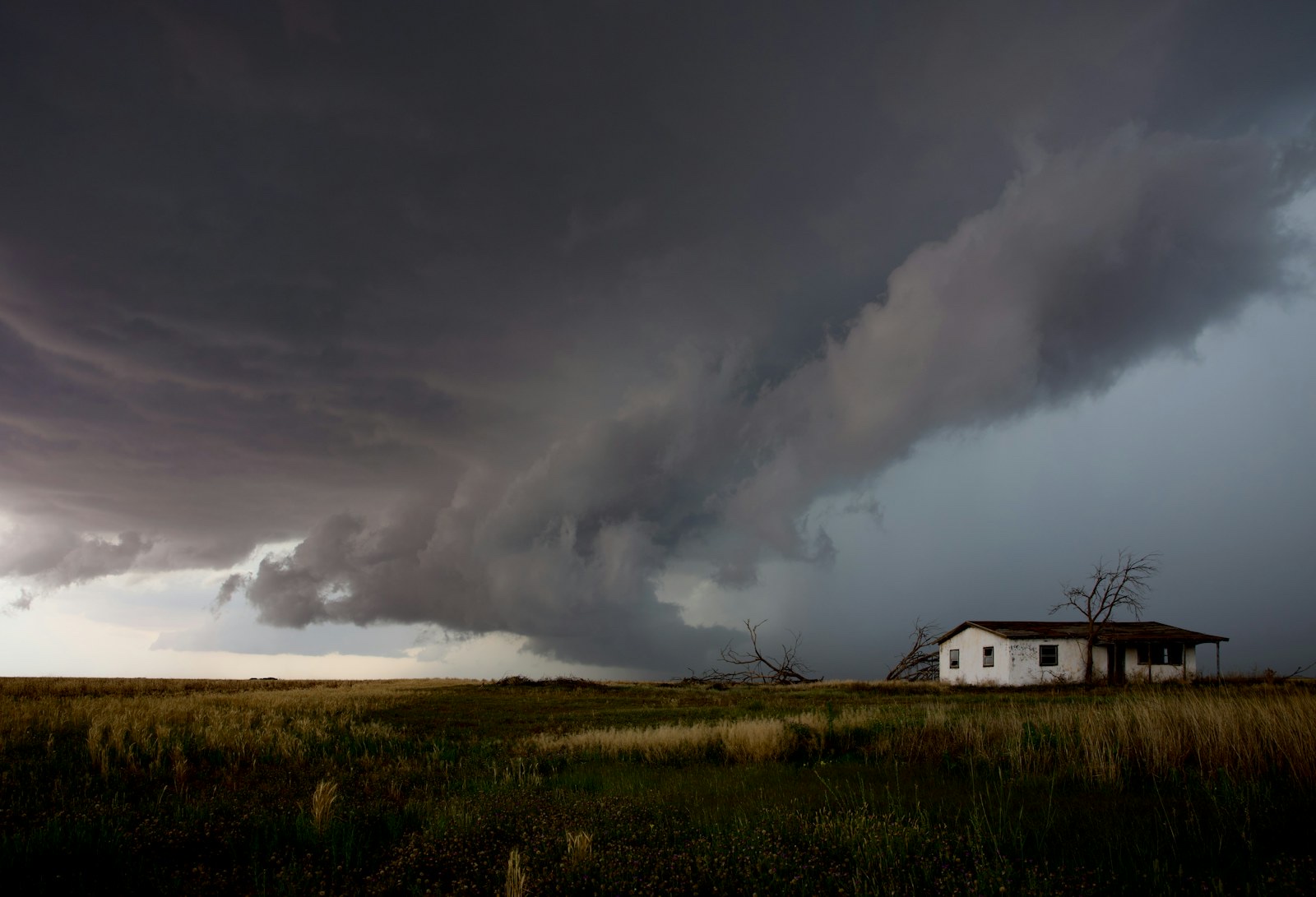
Why Home Insurance Premiums Keep Rising, and What Actually Lowers Yours
Reinsurance costs, rebuild inflation and catastrophe losses are driving rates. Here's what you can still control at renewal.

Home Insurance: What's Covered? A Comprehensive Guide
A comprehensive guide to homeowners insurance coverage, including what's included, exclusions, and how to file claims.

How to File a Home Insurance Claim Without Losing Money
The order you do things in changes what gets paid. A step-by-step through documentation, adjusters, and the mistakes that reduce settlements.
Replacement Cost vs. Actual Cash Value: The Clause That Decides Your Payout
Two policies with identical limits can pay wildly different amounts on the same claim. The difference is one line on your declarations page.

Los Angeles County Sues State Farm Over Handling of 2025 Wildfire Claims
The county alleges California's largest home insurer delayed, underpaid and denied Eaton and Palisades fire claims, including smoke damage. State Farm says it has paid more than $6.2 billion.

Home Insurance Rate Increases Collapse to 1.8% as Carriers Shift to a State-by-State Market
After 13.6% in 2024 and 6.3% in 2025, approved homeowners rate increases have slowed to 1.8% through July, S&P Global data show. The catch-up is over, but relief depends on where you live.