
Best Home Warranty Companies of 2026
After analyzing 127 data points across 23 home warranty providers, we identified the 10 companies that deliver the best protection for your home.
Best Home Warranty Companies in August 2026
A home warranty helps cover the cost of fixing or replacing your home's major systems and appliances when they break down. But not every plan is worth it, what you pay and what you get back vary a lot from one company to the next. We compared the top providers on coverage, cost, and how they handle claims to find the ten best for 2026.

First Premier Home Warranty
Best for Lowest Service Fees
- Monthly Cost
- $40-$48
- Service Fee
- $60
- Coverage Cap
- $3,000 / item
- Plans
- 2
- States
- 48 (except CA and IA)
On First Premier Home Warranty's website

Choice Home Warranty
Best for Streamlined Coverage
- Monthly Cost
- $46-$55
- Service Fee
- $100
- Coverage Cap
- $3,000 / item
- Plans
- 2
- States
- 49 (except WA)
On Choice Home Warranty's website

Liberty Home Guard
Best for Widest Add-On Selection
- Monthly Cost
- $55-$75
- Service Fee
- $75-$125
- Coverage Cap
- $2,000 / $500
- Plans
- 3
- States
- 50 + DC
On Liberty Home Guard's website
We analyzed 23 home warranty providers and narrowed them to the ten below. Our editorial team compared each one on the things that decide whether a plan actually pays out: how much it covers per item and per year, what the service fee costs every time a technician comes out, how long the waiting period is, how the contract handles pre-existing conditions and maintenance, and what the complaint and regulatory record looks like. Every price, cap and rating on this page was checked against the provider's own contract, and the weights we used are printed in the methodology so you can see exactly why each company sits where it does.
Choice Home Warranty
Editorial Review
Choice ranks first in this comparison on structure and cost predictability: two plans, one flat $100 service fee, and a consistent $3,000 limit on every covered item make its coverage straightforward to evaluate. Its customer-review record trails the best-reviewed providers here, and it does not allow buyers to choose their own technician, considerations that weigh against its simplicity and nationwide availability.
Pros & Cons
Pros
- • Flat $3,000-per-item annual limit, applied the same way to systems and appliances
- • Only two plans, which keeps the coverage decision simple
- • One flat service fee across every trade, with no tiers to weigh
- • Broad add-on menu, including pool, well pump, sump pump, septic, and roof leak
- • Available in 49 states
- • First month waived when the annual plan is paid up front
Cons
- • Denied-claim complaints are the most common in this comparison, and the company settled a state consumer-protection action in 2026
- • The provider assigns the contractor; buyers cannot select their own technician
- • Not sold in Washington state
- • Workmanship on completed repairs is guaranteed for 30 days, shorter than some rivals
Coverage & Plans
Plans
- Basic Plan: Heating, electrical, plumbing, water heater, and most kitchen appliances.
- Total Plan: Everything in Basic, plus air conditioning, refrigerator, washer, and dryer.
Coverage Limits
$3,000 per covered item, per contract term, applied the same way to systems and appliances.
Add-Ons
Pool and spa, well pump, sump pump, septic system, second refrigerator, central vacuum, limited roof leak.
Claims & Company Record
The BBB rates Choice B and the company is not accredited; its BBB profile carries an active government-action alert. It logged 10,634 complaints over three years, 2,791 of them in the last twelve months. Its two customer scores point in opposite directions: BBB reviewers rate it 1.03 out of 5 across roughly 3,600 reviews, while Trustpilot rates it near 4 out of 5 across more than 57,000. An Arizona court entered an $11.8 million judgment against Choice in January 2026, resolving the state Attorney General's consumer fraud suit and requiring it to reform its sales practices and disclose coverage limitations to buyers before the sale rather than after it. New Jersey brought a separate action that Choice settled in 2015 for $780,000, agreeing to revise its business practices and retain a compliance monitor. Complaints most often concern denied claims and the gap between what buyers expected to be covered and what the contract actually excludes.
A BBB letter grade measures how a company responds to and resolves complaints, not how its customers rate it, so the two often disagree. Records verified August 2026 against the sources below; complaint counts move over time. This record is published for disclosure and is not scored into our rating or rank.
Sources: BBB profile Trustpilot Arizona Attorney General New Jersey Office of the Attorney General
American Home Shield
Editorial Review
American Home Shield offers the highest payout limits in this comparison, up to $5,000 per system and $50,000 per term, and covers systems and appliances regardless of age. Premiums at the upper tiers are among the highest here, and it carries the category's largest complaint volume, consistent with its size. It is the strongest option for an older home where a major system may fail.
Pros & Cons
Pros
- • Highest limits in this comparison: up to $5,000 per system and $50,000 per contract term
- • Covers systems and appliances regardless of age, with no maintenance records required
- • Selectable service fee, which lets buyers adjust the monthly premium
- • In operation for more than 50 years, the most established provider here
- • Platinum plan adds roof-leak repair, a code-violation allowance, and unlimited A/C refrigerant
Cons
- • Among the highest-priced plans at the Gold and Platinum tiers
- • Not available in Alaska or Hawaii
- • The largest complaint volume in the category; complaints focus on contractor scheduling and partial payouts
Coverage & Plans
Plans
- ShieldSilver: Covers 19 home systems, including heating, cooling, electrical, and plumbing. No appliances.
- ShieldGold: Adds kitchen and laundry appliances to the systems coverage.
- ShieldPlatinum: Adds roof-leak repair, a code-violation allowance, unlimited A/C refrigerant, and a seasonal HVAC tune-up.
Coverage Limits
Up to $5,000 per covered system and $4,000 per appliance, with a $50,000 aggregate limit per contract term.
Add-Ons
Pool and spa, well pump, septic pump, guest unit, and electronics protection.
Claims & Company Record
BBB accredited with a B rating. Complaint volume is the highest here in absolute terms, roughly 15,400 over three years with about 5,450 closed in the last twelve months, though AHS is also the largest provider in the category, so raw volume overstates the picture. BBB reviewers rate it 1.32 out of 5 across more than 6,200 reviews, while Trustpilot rates it 3.8 out of 5 across more than 15,000. It has faced a California Insurance Commissioner action alleging unlawful inducements to real-estate brokerages, and a related class action under RESPA. Complaints concentrate on denied claims, technician quality and long waits for service.
A BBB letter grade measures how a company responds to and resolves complaints, not how its customers rate it, so the two often disagree. Records verified August 2026 against the sources below; complaint counts move over time. This record is published for disclosure and is not scored into our rating or rank.
Sources: BBB profile Trustpilot
Cinch Home Services
Editorial Review
Cinch's real draw is what it declines to exclude. It covers failures caused by rust, corrosion and sediment, and certain unknown pre-existing conditions, all of which most rivals here refuse outright, and it does not deny claims on the age of a covered system. Add a 180-day workmanship guarantee and a Premier plan bundling exterior water, sewer and gas lines that competitors sell separately, and it fits an ageing home better than anything else here. Against that, the $10,000 ceiling per agreement term is the lowest among the larger providers, and at $100 to $150 a visit it is the most expensive to actually use.
Pros & Cons
Pros
- • A 180-day workmanship guarantee, six times the 30 days several rivals now offer
- • No claim denials based on the age of a covered system
- • Covers failures caused by rust, corrosion or sediment, and certain unknown pre-existing conditions, which most rivals exclude
- • Up to $500 a year toward a homeowners insurance deductible on both Repair + Replace plans
- • The Premier plan includes exterior water, sewer and gas lines, which most rivals charge extra for
- • Covers two units per appliance, so a second refrigerator or washer is not a separate add-on
Cons
- • A $10,000 total limit per agreement term, well short of the $50,000 the largest providers allow
- • Service fees run $100 to $150, the highest floor in this comparison
- • The entry Repair Only plan covers repairs alone, with no replacement coverage at all
- • Customer reviews are poor, with claim handling the recurring theme
Coverage & Plans
Plans
- Cinch Repair Only: Repairs to parts of 37 essential appliances and systems, with up to $1,000 per covered appliance. No replacement coverage.
- Cinch Repair + Replace: Adds replacement coverage, raises the limit to $2,000 per covered appliance, and adds up to $500 a year toward a homeowners insurance deductible.
- Cinch Repair + Replace Premier: Adds exterior water, sewer and gas lines as standard, plus an extra $2,000 toward electrical permits, equipment disposal and similar costs.
Coverage Limits
Up to $1,000 per covered appliance on Repair Only and up to $2,000 on both Repair + Replace plans, covering two units per appliance, under a $10,000 total limit per agreement term. The deductible is $100 to $150 per claim.
Add-Ons
Exterior gas, sewer and water lines on the two lower plans, which are standard on Premier, plus pool and spa, well pump and septic options.
Claims & Company Record
The strongest BBB standing in this comparison: an A+ rating, accredited since June 2019, with 2,360 complaints over three years and 767 closed in the last twelve months. That grade measures how a company resolves complaints, not how customers rate it, and the two diverge here: BBB reviewers give Cinch 1.05 out of 5 across roughly 787 reviews, while Trustpilot rates it 4 out of 5. We found no regulatory actions. Complaints centre on unsuccessful repairs, refusal to reimburse emergency work arranged outside the network, and charges not disclosed up front. It guarantees workmanship for 180 days, six times the 30-day term several rivals here offer.
A BBB letter grade measures how a company responds to and resolves complaints, not how its customers rate it, so the two often disagree. Records verified August 2026 against the sources below; complaint counts move over time. This record is published for disclosure and is not scored into our rating or rank.
Sources: BBB profile Trustpilot
Liberty Home Guard
Editorial Review
Liberty fits coverage to a specific property more finely than anyone else here: 37 add-ons, availability in every state plus D.C., and a 365-day workmanship guarantee on most repairs, among the longest here. The caps are where it gets complicated. The headline $2,000 per-item limit falls to $500 for plumbing, electrical, and add-on items, and to $250 on those same items during your first 100 days, with labor capped at $150 across the whole policy. The BBB also records a pattern of complaints covering its claims process, customer service, and sales tactics, though customers who leave reviews rate Liberty among the highest here. Strong choice for an unusual property, provided you read the caps first.
Pros & Cons
Pros
- • Largest add-on selection here, with 37 optional coverages
- • A 365-day workmanship guarantee on most repairs, among the longest here
- • Three clear tiers: appliances only, systems only, or both
- • Available in all 50 states and Washington, D.C.
- • A technician is typically dispatched within 24 to 48 hours
- • Renewal pricing is locked, so your rate does not rise when the term renews
Cons
- • The $2,000 per-item limit drops to $500 for plumbing, electrical, and add-on items, and to $250 on those items during the first 100 days
- • Labor, installation, removal, and haul-away are capped at $150 across the entire policy
- • Plumbing and electrical repairs carry a 100-day workmanship guarantee, not the 365 days that applies elsewhere
- • Pricing and the service fee are not published; Liberty quotes them individually, and an administrative fee is added to the monthly rate
- • The provider assigns the technician; using your own requires prior approval
Coverage & Plans
Plans
- Appliance Guard: Clothes washer and dryer, refrigerator, dishwasher, built-in microwave, garbage disposal, ranges, ovens and cooktops, ceiling and exhaust fans, and garage door openers.
- Systems Guard: Air conditioning, heating, ductwork, plumbing, electrical, and water heaters up to 75 gallons.
- Total Home Guard: Appliance Guard and Systems Guard combined in one plan, and the cheapest route to both.
Coverage Limits
$2,000 per covered item on most equipment. Plumbing, electrical, and add-on items are limited to $500, and to $250 during the first 100 days of the agreement. Labor, installation, removal, and haul-away are capped at $150 across all covered items, and refrigerant at $20 per pound. These figures come from Liberty's published sample policy; confirm the version issued for your state before you buy.
Add-Ons
Thirty-seven options, the widest menu here: pool and spa, well pump, sump pump, septic pumping, limited roof leak, lawn sprinklers, gutter cleaning, pest control, carpet cleaning, water softener, generator, electronics, second refrigerator, wine cooler, stand-alone freezer, re-key service, and more.
Claims & Company Record
Liberty's record splits sharply depending on which measure you look at, so both belong here. On the regulatory side, the BBB records a pattern of complaints covering its claims process, customer service and sales tactics, rates the company D+, and does not accredit it. Responding to the BBB in March 2024, Liberty said it was deploying new scheduling software, increasing customer service headcount and expanding training and oversight for its sales representatives. It is also defending a certified nationwide class action under the Telephone Consumer Protection Act over calls placed to numbers on the Do Not Call Registry, and the Fourth Circuit granted interlocutory review of that certification in December 2025. On the customer side, its review scores are among the strongest of the ten: 4.2 out of 5 across more than 1,600 BBB reviews, and roughly 4 out of 5 across nearly 6,000 Trustpilot reviews, with the company answering disputes rather than leaving them open. Complaints that do appear centre on wait times, coverage limits and repair quality. Its add-on range remains the widest in this comparison.
A BBB letter grade measures how a company responds to and resolves complaints, not how its customers rate it, so the two often disagree. Records verified August 2026 against the sources below; complaint counts move over time. This record is published for disclosure and is not scored into our rating or rank.
Sources: BBB profile Trustpilot Mey v. Liberty Home Guard, No. 5:23-cv-00281 (N.D. W. Va.) Liberty Home Guard, LLC v. Mey, No. 25-231 (4th Cir.)
AFC Home Club
Editorial Review
AFC is the pick if you already have a plumber or HVAC tech you trust. You call AFC before the work starts so it can check the technician and approve the repair, then AFC pays that technician directly and you pay only your service fee. Most providers here assign a contractor from their own network instead, so the choice of who enters your home is the real draw. Against it: four tiers to compare, unpublished limits, and no coverage in California, Washington, or Hawaii.
Pros & Cons
Pros
- • Use any licensed, bonded, and insured technician you choose, once AFC has approved the repair
- • AFC pays your technician directly after the work; you pay only your service fee
- • Four tiers, from appliance-only Silver up to Diamond with electronics and exterior water and sewer lines
- • Three selectable service fees at $75, $100, or $125, so you can shift cost between premium and claim
- • 24/7 customer support
- • Military and senior discounts available
Cons
- • Not sold in California, Washington, or Hawaii
- • Per-item coverage limits are not published; you learn them at quote
- • An early termination fee applies if you cancel mid-term
- • Customer reviews are mixed, with claim-handling the most common complaint
Coverage & Plans
Plans
- Silver: Daily-use appliances: washer, dryer, refrigerator, oven, dishwasher, garbage disposal, and garage door opener. No systems.
- Gold: Systems and appliances combined, without plumbing stoppages, faucets, or built-in microwave.
- Platinum: Adds built-in microwave, plumbing stoppages, and refrigerator ice maker.
- Diamond: The full 18 covered items, plus electronics and exterior water and sewer lines.
Coverage Limits
Not published before a quote. Limits vary by plan tier and by item; request the sample contract for your state.
Add-Ons
In-ground pool and spa, septic system, sump pump, well pump, stand-alone freezer, roof leak, and an electronics plan.
Claims & Company Record
The lowest complaint volume here by a wide margin: 144 over three years, 41 of them in the last twelve months. BBB accredited since 2015 with a B rating. BBB reviewers rate it 3.1 out of 5 across 418 reviews, the second-strongest customer score in this comparison. We found no regulatory actions. Most complaints concern what the contract excludes rather than a failure to honour it, along with waits for a technician and reimbursement amounts.
A BBB letter grade measures how a company responds to and resolves complaints, not how its customers rate it, so the two often disagree. Records verified August 2026 against the sources below; complaint counts move over time. This record is published for disclosure and is not scored into our rating or rank.
Sources: BBB profile
First Premier Home Warranty
Editorial Review
First Premier is built for homeowners who want one number they can budget around: two plans that both cover everything, a narrow price band, and a single service fee. The trade-off is rigidity: you cannot have two claims open at once, which is a real constraint in a bad month, and add-on items carry their own sub-limits, $500 per term on well pump and $250 on septic, well below the headline figures.
Pros & Cons
Pros
- • Both plans cover systems and appliances together, removing the hardest decision in the category
- • A $40-$48 monthly band, the narrowest here, which makes the annual cost easy to forecast
- • A $60 flat service fee, the lowest in this comparison, with no tiers to weigh
- • More than 20 optional add-ons, including roof leak, pool and spa, septic, and electronics
- • You may use your own technician, if licensed, insured, and bonded and approved in advance
- • A $15,000 annual coverage limit, with a $3,000 cap per item
- • Military and senior discounts available
Cons
- • Not sold in California or Iowa
- • Only one claim may be open at a time
- • Add-on items carry their own low sub-limits, including $500 per term on well pump and $250 on septic
- • Prohibited from selling in California, and fined in New Hampshire and settled with Minnesota over unregistered selling
Coverage & Plans
Plans
- Premier: Fifteen covered items spanning systems and appliances, including electrical, water heater, and plumbing.
- Platinum: All 19 standard items, adding air conditioning, heating, clothes washer, dryer, and refrigerator.
Coverage Limits
$15,000 annually across the contract, with a $3,000 cap per item, per the service agreement. Optional add-ons carry separate and much lower sub-limits: $500 per contract term on well pump, $250 on septic. Only one claim may be open at a time.
Add-Ons
More than 20 options, including laptops, tablets and TVs, lawn sprinklers, pool and spa, septic, well pump, sump pump, central vacuum, and roof leak.
Claims & Company Record
The most state regulatory activity of any provider here. The California Department of Insurance issued First Premier a cease and desist order in September 2021 for selling home warranty contracts in the state without authorization, and the company agreed that October to stop selling in California until it is licensed. Minnesota and New Hampshire also took action over it selling contracts while unregistered. The BBB rates it C and does not accredit it, and Trustpilot rates it 2 out of 5, Poor. Complaints centre on claim-processing delays, exclusions that were unclear at the point of sale, and difficulty getting a response.
A BBB letter grade measures how a company responds to and resolves complaints, not how its customers rate it, so the two often disagree. Records verified August 2026 against the sources below; complaint counts move over time. This record is published for disclosure and is not scored into our rating or rank.
Sources: California Department of Insurance BBB profile Trustpilot
2-10 Home Buyers Warranty
Editorial Review
2-10 offers the lowest entry price here without the low limits that usually come with a budget plan, pairing a sub-$40 rate with $5,000 system limits. What holds it back is the claim experience: satisfaction scores trail its otherwise clean complaint record, and the workmanship guarantee was recently cut to 30 days.
Pros & Cons
Pros
- • A sub-$40 starting rate paired with $5,000 system limits, unusual at that price
- • A $50,000 per-term aggregate limit
- • Selectable service fee, starting as low as $65
- • In operation since 1980
- • Two-plan structure keeps the decision simple
Cons
- • Customer satisfaction scores trail its otherwise clean record, with claim denials the most common theme
- • Workmanship guarantee was recently shortened to 30 days on current contracts
- • Add-on and service-fee tiers are disclosed only after a quote
Coverage & Plans
Plans
- Systems: Parts of 19 major home systems, including heating and air conditioning, electrical and plumbing. $39.99 a month.
- Pinnacle: Parts of up to 28 major systems and appliances, adding kitchen and laundry. $59.99 a month.
Coverage Limits
Up to $5,000 per covered heating or cooling system on both plans, and up to $2,000 per appliance on Pinnacle. Service fees, further limits and exclusions are set out in the plan agreement.
Add-Ons
Pool and spa, well pump, septic system, water softener, and additional refrigeration.
Claims & Company Record
An A+ BBB rating, though the company is not accredited, with 663 complaints over three years and 208 closed in the last twelve months, a low figure for a provider of its size, alongside a good record for responding to and resolving them quickly. We found no regulatory actions. Complaints centre on unclear claim determinations, delayed service and slow follow-up rather than on coverage being denied outright.
A BBB letter grade measures how a company responds to and resolves complaints, not how its customers rate it, so the two often disagree. Records verified August 2026 against the sources below; complaint counts move over time. This record is published for disclosure and is not scored into our rating or rank.
Sources: BBB profile Trustpilot
ARW Home
Editorial Review
ARW exists for one situation: you want coverage without signing up for a year, maybe because you are selling, renting, or testing whether a warranty is worth it at all. Nobody else here offers that. You pay for it with the highest per-visit fee on the list and limits that shrink on older equipment, which is exactly the equipment most likely to break.
Pros & Cons
Pros
- • The only true month-to-month option here, with no annual contract required
- • No cancellation fee on monthly plans
- • A 30-day money-back guarantee on new plans
- • Optional water and sewer line and electronics coverage
- • Available in all 50 states
Cons
- • A flat $125 service fee, the most expensive per visit in this comparison
- • Coverage limits are relatively low across the plan range, a consistent theme in customer complaints
- • A 30-day waiting period applies before you can file
Coverage & Plans
Plans
- Kitchen Plus: Refrigerator, range, oven and cooktop, dishwasher, built-in microwave, garbage disposal, kitchen exhaust fan, interior electrical, and water heater.
- Platinum: Adds central air conditioning, central heating, clothes washer, and clothes dryer.
- Platinum Premier: Adds humidifier, ductwork, plumbing system, and plumbing stoppages.
Coverage Limits
Relatively low across the plan range, and reduced further on older covered equipment. A 30-day waiting period applies before you can file.
Add-Ons
Exterior water and sewer lines, electronics protection, and additional appliance coverage.
Claims & Company Record
An A BBB rating, with a low complaint volume and no regulatory actions on record. Customer scores are more mixed than the letter grade suggests: BBB reviewers rate it 2.2 out of 5 across more than 300 reviews. Complaints centre on denied claims, unexpected out-of-pocket charges, and technicians missing scheduled appointments.
A BBB letter grade measures how a company responds to and resolves complaints, not how its customers rate it, so the two often disagree. Records verified August 2026 against the sources below; complaint counts move over time. This record is published for disclosure and is not scored into our rating or rank.
Sources: BBB profile
The Home Service Club
Editorial Review
The Home Service Club is worth a quote in one scenario: you are buying or selling and want a warranty structured around the transaction itself. Outside that, the math is hard to defend. It pairs the highest premium on this list with a $125 service fee, so you pay the most to hold the plan and the most to use it.
Pros & Cons
Pros
- • A dedicated Real Estate Home Warranty plan for buyers and sellers, which few competitors offer
- • Both standard plans combine systems and appliances, so there is no tier to puzzle over
- • Moderately high coverage limits
- • A solid menu of optional add-ons
- • Available in all 50 states
Cons
- • The highest premiums in this comparison, at $58 to $67 a month
- • A $125 service fee on top of the highest premium, the worst total-cost pairing here
- • No live chat, and phone hours are limited
- • Customer sentiment is poor, particularly on claim handling
Coverage & Plans
Plans
- Standard Coverage: Core systems and appliances in one combined plan.
- Comprehensive Coverage: Expands covered items and raises limits over Standard.
- Real Estate Home Warranty: Written for a home sale, covering buyer and seller through the transaction.
Coverage Limits
Moderately high per-item limits by category standards. Confirm the schedule for your state before purchase.
Add-Ons
Pool and spa, well pump, septic system, water softener, central vacuum, and roof leak.
Claims & Company Record
Not BBB accredited, with more than 541 complaints over three years. Independent review scores are poor and inconsistent from platform to platform, with Trustpilot rating it 1.2 out of 5, Bad. At least one customer won a small-claims judgment after a denied heating and air conditioning claim. Complaints centre on service delays, billing, denied claims for covered items, and difficulty reaching a live representative through its automated system.
A BBB letter grade measures how a company responds to and resolves complaints, not how its customers rate it, so the two often disagree. Records verified August 2026 against the sources below; complaint counts move over time. This record is published for disclosure and is not scored into our rating or rank.
Sources: BBB profile Trustpilot
Home Warranty of America
Editorial Review
HWA is not a bad plan so much as a plan with no argument for itself. Two comprehensive tiers and high limits are genuine strengths, but every provider above it matches those on at least one axis and beats it on price, claim experience, or flexibility. It ranks last here because nothing about it is the reason to choose it.
Pros & Cons
Pros
- • Just two plans, both covering systems and appliances together
- • High coverage limits
- • No claim denials based on the age of a system
- • Real estate transaction plans available
- • Available in all 50 states
Cons
- • You cannot choose your own technician
- • Limited customer service availability
- • Coverage and exclusion disputes are the dominant theme in its customer reviews
- • Mid-range pricing without a category it clearly wins
Coverage & Plans
Plans
- Select: Systems and appliances in one combined plan, at $46.08 a month.
- Select Plus: Expands covered items and raises limits, at $59.92 a month.
Coverage Limits
High per-item limits by category standards, with no denials based on the age of a system. Coverage and exclusion disputes are the most common complaint.
Add-Ons
Septic system, pool and spa, well pump, and second refrigerator.
Claims & Company Record
The BBB has listed HWA as Not Rated since March 2026 while it reviews the company's complaint history; its previous grade was a C. Review scores diverge sharply: ConsumerAffairs rates it 1.0 out of 5 across more than 4,000 reviews, while Trustpilot rates it 4 out of 5. We found no regulatory actions. Complaints centre on small cash payouts offered in place of repair or replacement, claim-approval delays and slow reimbursement. Its ownership changed in January 2022, with the current owners acquiring the assets but not the liabilities of the prior business.
A BBB letter grade measures how a company responds to and resolves complaints, not how its customers rate it, so the two often disagree. Records verified August 2026 against the sources below; complaint counts move over time. This record is published for disclosure and is not scored into our rating or rank.
Sources: BBB profile Trustpilot
Quick Comparison of All Providers
Swipe left to see more columns →
Swipe left to see the full table →
| Provider | Best For | Monthly Cost | Service Fee | States | Our Rating | |
|---|---|---|---|---|---|---|
Most Popular Choice Home Warranty | Best for Streamlined Coverage | $46-$55 | $100 | 49 | 4.5 | View Plan |
 American Home Shield | Best for Highest Coverage Limits | $50-$100 | $100-$125 | 48 | 4.4 | View Plan |
 Cinch Home Services | Best for Older Homes | From $44.99 | $100-$150 | 50 | 4.2 | View Plan |
Liberty Home Guard | Best for Widest Add-On Selection | $55-$75 | $75-$125 | 50 + DC | 4.1 | View Plan |
 AFC Home Club | Best for Choosing Your Own Technician | $40-$106 | $75-$125 | 47 | 4.0 | View Plan |
First Premier Home Warranty | Best for Lowest Service Fees | $40-$48 | $60 | 48 | 3.3 | View Plan |
 2-10 Home Buyers Warranty | Best for Lowest Entry Price | $40-$60 | $65-$100 | 50 | 3.8 | View Plan |
 ARW Home | Best for Month-to-Month Coverage | $40-$85 | $125 | 50 | 3.6 | View Plan |
 The Home Service Club | Best for Real Estate Transactions | $58-$67 | $125 | 50 | 3.1 | View Plan |
 Home Warranty of America | Best for Simple Two-Plan Coverage | $46-$60 | $100 | 50 | 2.9 | View Plan |
Monthly cost and service fees vary by home size, location, and plan tier. Figures shown are typical 2026 ranges; request a quote for a price specific to your home.
How to Choose a Home Warranty
The right home warranty comes down to a few details that are easy to miss on a sales page. These four decide whether a plan actually pays out when something breaks:
Simple Plans
A plan you can actually understand, with a couple of clear options and one flat repair fee, not a maze of tiers.
Predictable Cost
A price you can budget for. Look for a flat repair fee and a total you can work out before you buy, not surprise charges later.
Reliable Coverage
Payout limits you can count on, applied evenly across your systems and appliances, instead of caps that shrink on the big-ticket items.
Available and Fast
Coverage that's sold in your state and sends a technician quickly, because a broken furnace in January can't wait.
How We Rank Home Warranty Providers
We analyzed 127 data points across 23 home warranty providers, covering coverage limits, service fees, contract terms and customer satisfaction, to arrive at the ten ranked above. Where two providers score the same, we list the one with the simpler plan structure first, in line with our first criterion. Every card also carries that provider's complaint and regulatory record, including our top-rated picks:
Simple Plans
The best providers keep it simple: a couple of clear plans and one flat repair fee, instead of a stack of confusing tiers. Coverage you can actually understand ranks higher.
Predictable Cost
We add the monthly price to the fee you pay each time a technician visits. Plans you can budget for, with no surprise charges when you file a claim, score better.
Reliable Limits
We check how much a plan pays out per item. A steady limit that covers your furnace and your fridge alike beats one that shrinks on the parts most likely to break.
Available and Fast
A plan only helps if it's sold in your state and sends someone quickly. We weigh where each provider operates and how fast it responds to a claim.
The Home Warranty Buying Guide: What Actually Matters in 2026
Real repair costs, real contract terms, and the plain math on whether a home warranty earns its place in your budget.
What a Home Warranty Actually Costs in 2026
A home warranty has two prices, and you need both to judge a plan honestly: the premium you pay every month, and the service fee you pay each time a technician comes out.
- Monthly premium: most single-family plans run $30-$90 a month ($350-$900 a year). Appliance-only plans sit at the low end; comprehensive "systems + appliances" coverage lands at the top.
- Service call fee: $75-$125 per visit, with around $75 the most common. You pay it every time you file a claim, whether the repair is approved or not.
- The trade-off: most providers let you pick a lower service fee in exchange for a higher premium, or vice versa. Neither is "cheaper", it just shifts when you pay.
So a realistic all-in year looks like a premium of roughly $600 plus two or three service visits at $100 each, call it $800-$900 for the year. Hold that number in your head, because the next section is where it earns its keep.
What a Single Breakdown Actually Costs
Here's why that ~$800 matters. These are typical 2026 repair and replacement costs, drawn from national contractor-pricing data (Angi, HomeGuide, Fixr):
- HVAC system replacement: $7,000-$18,000 (national average around $12,000-$14,000)
- AC compressor: $800-$2,400
- Furnace replacement: $2,800-$7,800
- Water heater replacement: $900-$1,800 (tankless: $1,200-$5,600)
- Refrigerator replacement: $675-$2,500
- Electrical panel replacement: $1,200-$4,000
- Main sewer line repair or replacement: $2,500-$7,000
One HVAC failure can cost more than a decade of premiums. And these aren't rare events: the Hippo Housepower Report found that 46% of homeowners had something break in the past year, with HVAC (24%), plumbing (21%), and washer/dryer (21%) leading the list. Meanwhile, Bankrate's 2026 survey found that 53% of Americans couldn't cover a $1,000 emergency from savings, let alone a $9,000 one. A home warranty exists to convert that unpredictable five-figure risk into a flat service fee and a phone call.
How a Home Warranty Claim Actually Works
Knowing the sequence tells you where plans succeed or fail:
- 1. Something breaks. Stop using the item and don't call your own repair person yet, an unauthorized repair is one of the fastest ways to void a claim.
- 2. You file. By phone or online portal, usually 24/7. You describe the problem and the covered item.
- 3. The company assigns a contractor. With most providers you don't choose the technician, they dispatch one from their network, typically within 24-48 hours.
- 4. Diagnosis and the service fee. The technician inspects, reports the cause of failure back to the company, and you pay your flat service fee for the visit.
- 5. Approval or denial. The company, not the technician, decides, based on why the item failed. Normal wear is covered; the exclusions below are not.
- 6. Repair or replace. If approved, the work goes ahead. Parts availability is usually what drives the timeline, from a few days to a few weeks.
The single most important habit: always get the claim authorized before anyone touches the equipment. Everything downstream depends on it.
Home Warranty vs. Homeowners Insurance
This is the question we get most, and getting it right is the whole foundation. They cover opposite problems, and you generally want both.
- Homeowners insurance pays for sudden, accidental damage from outside events, fire, storms, theft, a burst pipe flooding your living room. It covers the structure and your belongings, includes liability, and your mortgage lender requires it.
- A home warranty is a service contract that pays to repair or replace systems and appliances that break down from normal wear and tear, a 12-year-old water heater that finally quits, a compressor that gives out in July.
The clean dividing line: insurance covers what suddenly happens to your house; a warranty covers what wears out inside it. Here's the catch that trips people up: if that old water heater bursts and floods the floor, the warranty covers the water heater, and insurance covers the water damage. Neither does the other's job, which is exactly why most homeowners carry both.
What's Covered, and What's Almost Never Covered
A home warranty covers the mechanical breakdown of major systems and appliances: heating and cooling, water heaters, interior plumbing and electrical, and kitchen and laundry appliances, depending on your plan tier.
These exclusions are near-universal across the industry, know them before you buy, not after a denial:
- Pre-existing conditions, anything already broken or failing before your coverage (or waiting period) began.
- Insufficient maintenance, failures blamed on neglect, like a never-serviced HVAC coil.
- Improper past installation or code violations, often from work done by a previous owner.
- Rust, corrosion, and sediment, common in older plumbing and water heaters.
- Cosmetic damage, dents and scratches that don't affect function.
- Secondary damage, the water, mold, or property damage a breakdown causes (that's an insurance matter).
- Code upgrades, permits, and disposal fees, even on an approved claim, these often fall to you.
Your best defense against the two most common denials, "pre-existing" and "lack of maintenance", is boringly simple: keep dated maintenance records from the day coverage starts.
Coverage Caps: The Number That Decides Everything
A cap is the most a plan will pay for a given item in a contract term, and it's where "covered" quietly becomes "partly covered."
- Per-item caps limit payout on a specific item or category, say, "$3,000 for the HVAC system" or "$2,000 per appliance." If a replacement costs more than the cap, you pay the difference, even on an approved claim.
- Aggregate (per-term) caps limit the total across all claims in a year. Once you hit it, further claims don't pay out.
This is the trap in cheap plans. A $500-per-item cap looks fine until a $2,400 compressor fails and you're covering $1,900 of it. That's why our rankings weigh caps against real repair costs, and why a slightly pricier plan with a $3,000 or $5,000 cap often beats a bargain plan that leaves you exposed on exactly the expensive failures you bought coverage for. Read the caps before you compare premiums.
Which Plan Type Fits Your Home
Almost every provider sells three flavors of coverage. Match the plan to what's most likely to fail in your house:
- Appliance plans cover the kitchen and laundry, refrigerator, oven, dishwasher, washer, dryer. Best for a newer home where the systems are still under builder coverage but you want the appliances protected.
- Systems plans cover the expensive infrastructure, heating, air conditioning, plumbing, electrical, water heater. Best for an older home where a major system is the real financial risk.
- Combo plans cover both, and they're what most homeowners actually need. The premium is higher, but so is the protection, and the per-item caps usually apply the same way.
Then layer on add-ons for anything specific to your property, a pool, a well pump, a septic system, a second refrigerator. This is where a provider like Liberty Home Guard, with 37 optional coverages, can tailor a plan to an unusual home.
Is a Home Warranty Worth It? The Honest Answer
For most homeowners, yes, and here's the reasoning, including the one case where it isn't.
The math favors a warranty when two things are true: your systems and appliances are past their manufacturer warranties, and you don't have a deep cash cushion for a surprise repair. That describes most American homes. The median owner-occupied home is 42 years old, and nearly half were built before 1980 (NAHB, 2026). Aging equipment fails, and as Bankrate found, most households can't absorb even a $1,000 hit. For them, a warranty isn't a gamble on repairs, it's a way to make the worst month of the year survivable. That's the definition of a necessity, not a luxury.
The honest exception: if your home is brand new, a warranty is usually redundant. New builds come with a builder's warranty (typically ~1 year on workmanship, ~2 on systems, up to 10 on structure) and manufacturer warranties on every new appliance and HVAC unit. Home warranties even exclude items still under manufacturer coverage, so in year one, you'd often be paying for protection you already have. Catalog your existing coverage first; a warranty starts making sense as those warranties expire, usually around years 2-5.
We tell you that plainly because it's the part most comparison sites skip, and it's exactly why you can trust the rest of this guide. For the roughly 95% of homeowners who don't live in a brand-new build, the value case is real.
How to Read the Contract Before You Sign
The marketing tells you what's covered. The contract tells you what you'll actually get. Ten minutes with the sample agreement saves most disputes:
- Find the caps. Locate the per-item limits and any aggregate limit, and check them against real replacement costs for your systems.
- Read the exclusions section in full. This is where "sole discretion," rust/corrosion carve-outs, and pre-existing language live.
- Confirm the workmanship guarantee. How long is completed work guaranteed, 30, 60, 90 days? A re-break inside that window shouldn't cost a new service fee.
- Check state availability. Not every plan is sold in every state, and terms can differ by state.
- Understand the claims rules. Must you get authorization first? Can you ever choose your own technician? What's the service fee?
- Note the renewal terms. Most contracts auto-renew and can raise prices, know the cancellation policy and any fee before you commit.
Five Mistakes That Cost Homeowners the Most
Avoid these and you'll get most of the value a home warranty can offer:
- Shopping on premium alone. A low monthly price with low caps can cost you more than a higher premium with realistic caps. Compare the whole picture.
- Skipping the sample contract. Every dispute in this category traces back to fine print someone didn't read. Ask for the agreement and read the exclusions.
- Calling your own repair tech first. An unauthorized repair voids the claim. File first, always.
- Not keeping maintenance records. "Lack of maintenance" is a top denial reason. Dated records are your proof.
- Ignoring the renewal notice. Auto-renewal at a higher rate is common. Set a reminder and re-shop each year, including against the plans on this page.
If you want to know more about home warranties, or you need more guidance, head to the blog.
Frequently Asked Questions
Straight answers to the questions homeowners ask most before buying a warranty.
How much does a home warranty cost?
Is a home warranty actually worth it?
What's the difference between a home warranty and homeowners insurance?
What does a home warranty cover?
When does coverage actually start?
How do I file a claim, and how long does a repair take?
Why do home warranty claims get denied?
What do coverage caps mean for me?
Can I choose my own repair technician?
Can I cancel a home warranty?

Ethan Hale
Lead Home Warranty Analyst
Ethan Hale is a consumer writer specializing in home warranties and homeowners insurance. He examines coverage terms, pricing, and claims practices to help homeowners compare providers on the facts rather than the marketing. In addition to Screened, he works as a copywriter for companies across the home-services industry.
More on Home Warranty
Guides and reporting from our editors to help you decide.

What a Home Warranty Doesn't Cover: The Exclusions Behind Denied Claims
Almost every denied home warranty claim traces to one of eight clauses. They're all in the contract, and nobody reads it until the denial arrives.

Home Warranty vs. Homeowners Insurance: What Each One Actually Covers
They sound interchangeable, but they pay for completely different things. Here's how home warranties and homeowners insurance divide the work-and where the gaps are.
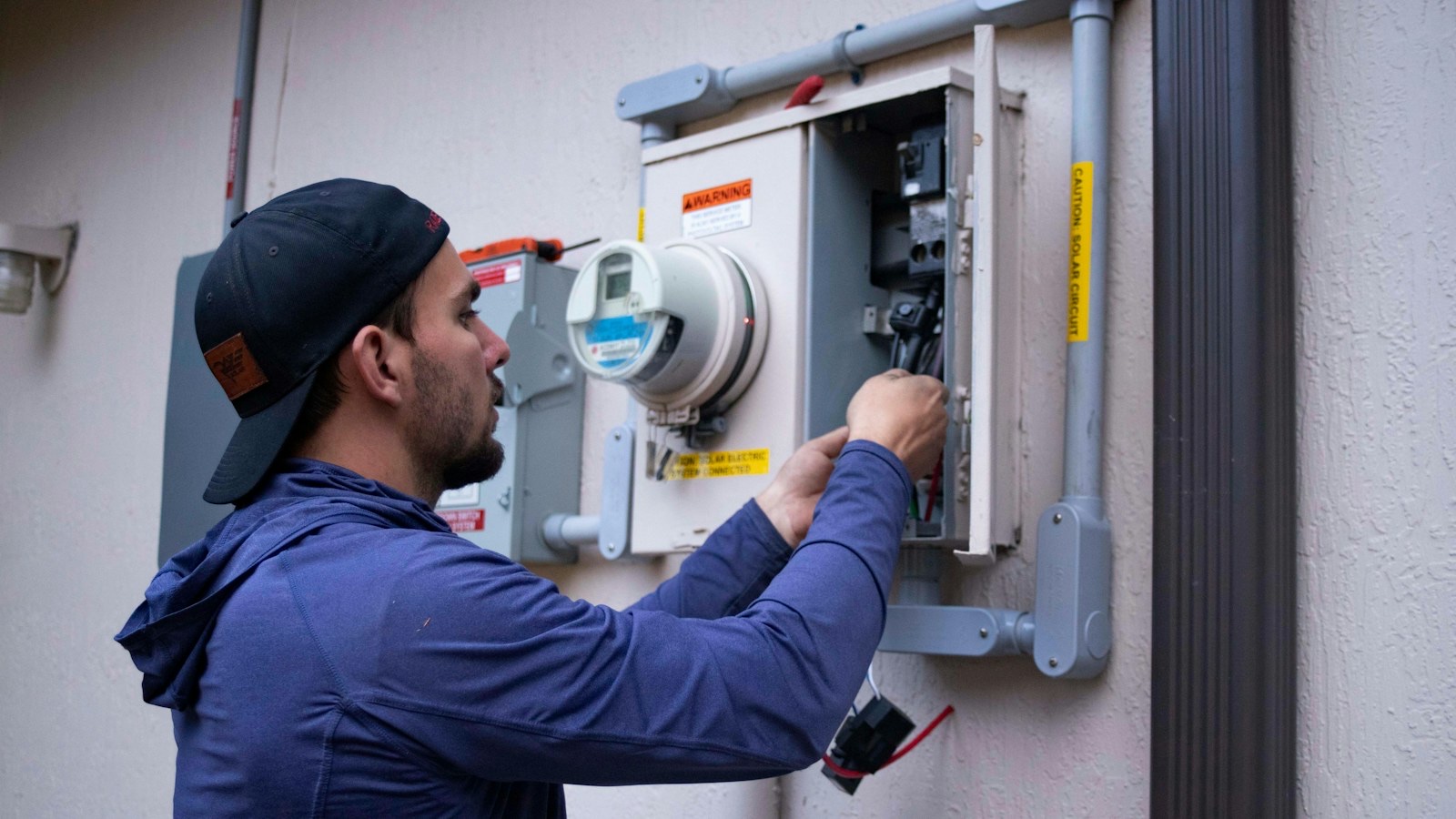
Is a Home Warranty Worth It? Running the Numbers on 2026 Costs
Home warranties cost $420-$1,070 a year before service fees. We ran the math on when that pays off, when it doesn't, and what to check before you sign.
American Home Shield's Parent Grows Members for the First Time Since 2021 and Raises Its Outlook
Frontdoor reported second-quarter revenue of $645 million, a record 59% gross margin and 2.11 million members. Its HVAC upgrade program is on track for up to $175 million this year.

Days Left: Arizona Homeowners Must File by August 1 to Claim From $11.8M Choice Home Warranty Settlement
The state alleged the company sold coverage for appliances and air conditioners it then failed to repair, and targeted veterans and seniors. Eligible buyers have until 1 August 2026 to file.

Arizona Court Enters $11.8 Million Judgment Against Choice Home Warranty Over Sales Practices
The state alleged the company sold coverage for appliances and systems it then refused to repair, and marketed to veterans and seniors. The company must now reform how it sells.