
Virtual reality has finally hit mainstream. From standalone headsets at $249 to premium devices at $3,499, there's a VR option for everyone. But which one is right for you? We spent months testing to find out.
Our testing includes extended gaming sessions, productivity apps, comfort assessments, and tracking accuracy tests. We evaluate display quality, motion sickness potential, and game library across different platforms.
Meta Quest 3
Bottom Line
The Quest 3 is the best VR headset for most people. Standalone freedom, PC VR compatibility, and the largest game library make it versatile. The mixed reality features are genuinely impressive for gaming and productivity.
Pros & Cons
Pros
- Full-color mixed reality passthrough
- Standalone + PC VR capable
- Massive game library with 500+ titles
- No base stations or external sensors needed
Cons
- 2-hour battery life limits sessions
- Facebook/Meta account required
Key Features & Specs
- Snapdragon XR2 Gen 2 processor
- 2064x2208 per eye resolution
- Full-color mixed reality passthrough
- Standalone + PCVR compatible via Link
- Inside-out tracking (no base stations)
- Touch Plus controllers included
- Spatial audio built-in
PlayStation VR2
Bottom Line
If you own a PS5 and want the best console VR experience, PSVR2 is the clear choice. The OLED displays and haptic headband create unmatched immersion. Just know you're locked into PlayStation's ecosystem.
Pros & Cons
Pros
- HDR OLED displays with deep blacks
- Haptic feedback in headset
- Eye tracking for foveated rendering
- Premium PlayStation exclusives
Cons
- Requires PS5 ($500+)
- Wired connection only
Key Features & Specs
- 4K HDR OLED displays
- 110° field of view
- Eye tracking technology
- Haptic headband feedback
- Sense controllers with adaptive triggers
- 3D audio built-in
- Single-cord connection to PS5
Pimax Crystal Super
Bottom Line
The Pimax Crystal Super is the ultimate enthusiast VR headset for flight sim and racing fans. The 3840x3840 per eye resolution delivers unprecedented clarity, and the 127° FOV creates genuine immersion that competitors can't match.
Pros & Cons
Pros
- Industry-leading 50 PPD clarity
- Ultra-wide 127° field of view
- Crystal-clear displays for simulators
- Premium build quality
Cons
- Requires high-end PC
- Premium price point
Key Features & Specs
- 50 PPD ultra-sharp resolution
- 3840x3840 per eye displays
- 127° wide field of view
- 120Hz refresh rate
- Ideal for flight simulators
- Premium audio system
- PCVR optimized design
Valve Index
Bottom Line
For PC VR enthusiasts who demand the best, the Index's 144Hz smoothness and Knuckles controllers are unmatched. It's showing its age in resolution, but nothing beats it for competitive VR and simulation games.
Pros & Cons
Pros
- Best-in-class 144Hz refresh rate
- Knuckles controllers with finger tracking
- Exceptional audio quality
- Precise base station tracking
Cons
- Requires high-end PC
- External base stations needed
Key Features & Specs
- Dual 1440x1600 LCD displays
- Up to 144Hz refresh rate
- 130° field of view
- Index Controllers (Knuckles)
- Individual finger tracking
- Off-ear speakers (BMR)
- SteamVR base station tracking
Meta Quest 2
Bottom Line
At $249, the Quest 2 remains the best entry point into VR. You get the same massive game library as Quest 3, both standalone and PC VR modes, and proven reliability. It's the smart choice for VR newcomers.
Pros & Cons
Pros
- Incredible $249 price point
- Same game library as Quest 3
- Standalone + PC VR capable
- Proven reliable platform
Cons
- Older display technology
- Less comfortable than Quest 3
Key Features & Specs
- Snapdragon XR2 Gen 1 processor
- 1832x1920 per eye resolution
- 120Hz refresh rate
- Standalone + PCVR via Link
- Inside-out tracking
- Touch controllers included
- 128GB or 256GB storage
Compare All Models
| VR Headset | Best For | Resolution | Refresh | Standalone | PCVR | |
|---|---|---|---|---|---|---|
Editor's Choice 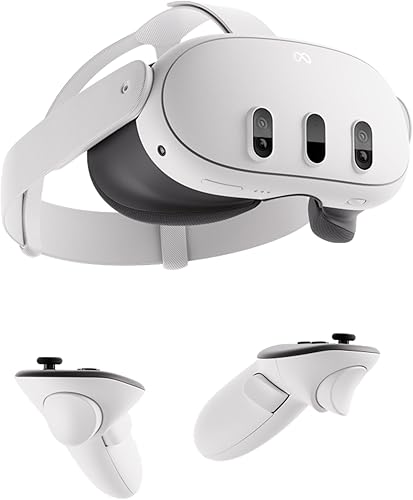 Meta Quest 3 | Best Overall | 2064x2208/eye | 120Hz | ✓ | ✓ | Buy |
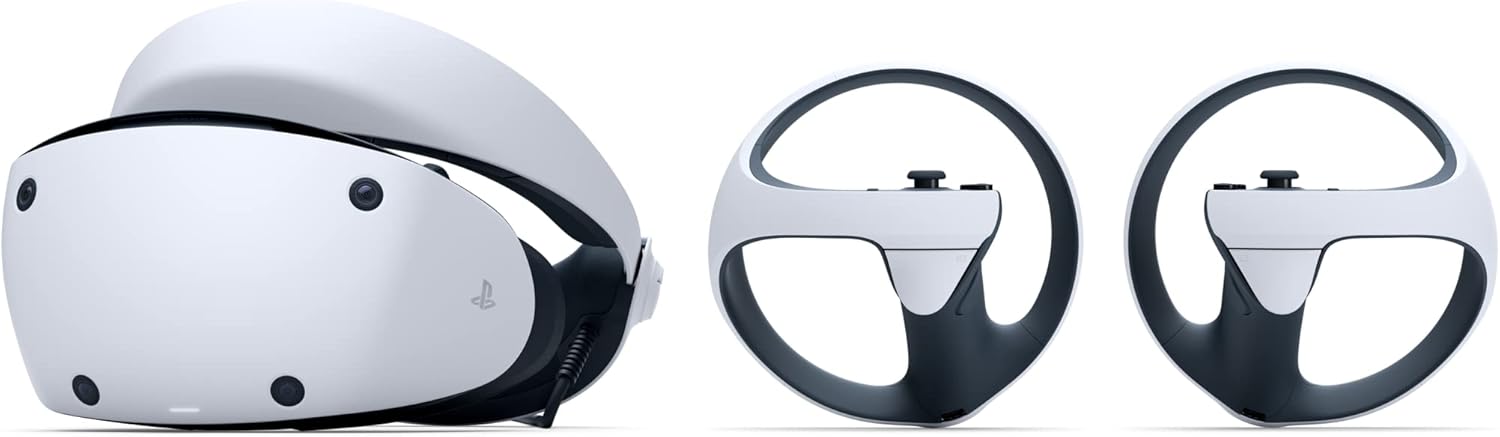 PlayStation VR2 | Console Gaming | 2000x2040/eye | 120Hz | ✗ | ✗ | Buy |
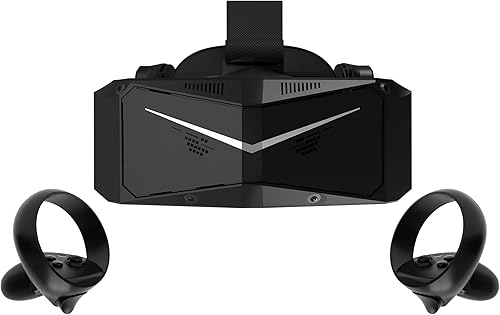 Pimax Crystal Super | Premium Enthusiast | 3840x3840/eye | 120Hz | ✗ | ✓ | Buy |
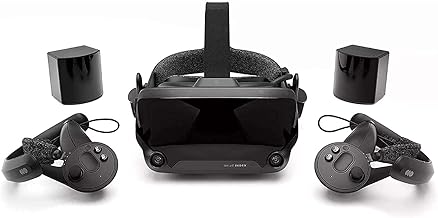 Valve Index | Enthusiast PCVR | 1440x1600/eye | 144Hz | ✗ | ✓ | Buy |
 Meta Quest 2 | Best Budget | 1832x1920/eye | 120Hz | ✓ | ✓ | Buy |
