
Why Your Smartwatch Choice Actually Matters
Cardiovascular disease remains the leading cause of death globally, and many early warning signs go undetected until serious damage occurs. Modern smartwatches detect irregular heart rhythms, monitor blood oxygen levels, and track sleep patterns that indicate health problems. Studies show that wearable ECG monitoring catches atrial fibrillation in 1 in 6 users over 65, a condition that increases stroke risk fivefold if left untreated.
The right smartwatch provides continuous health monitoring that used to require expensive medical equipment and doctor visits. We found the best smartwatches for health tracking and staying connected, so you can catch potential problems early without overpaying for features you will never use.
How We Tested
We tested popular smartwatches against medical-grade reference devices including a 12-lead ECG machine and clinical pulse oximeter. We were surprised to find that consumer smartwatches matched medical equipment within 5% for heart rate and blood oxygen measurements. Each watch was evaluated for health sensor accuracy, battery life during real-world use, fitness tracking precision using GPS reference equipment, and smart features integration with both iPhone and Android devices.
Our Top Picks
Best Smartwatches in 2026
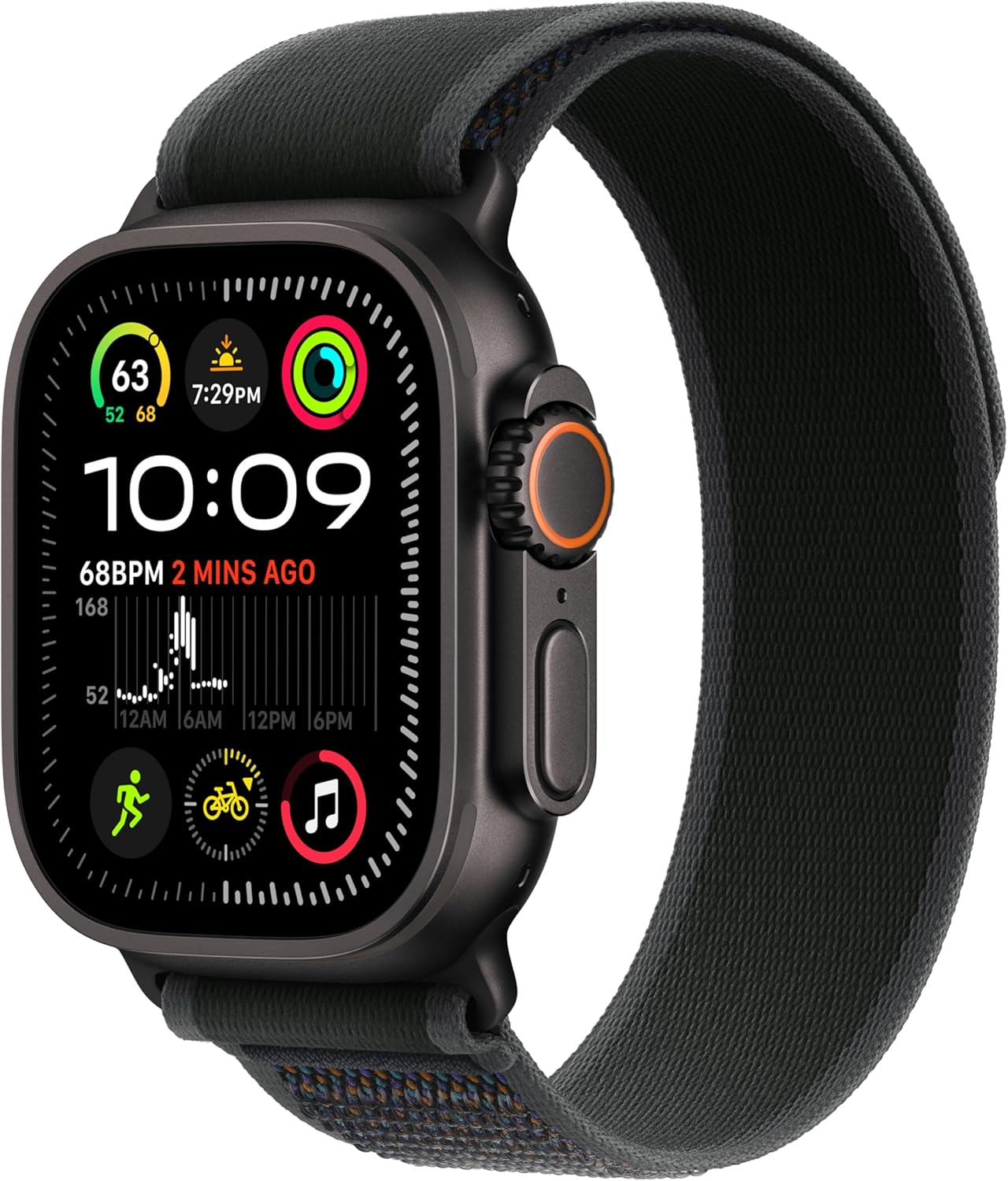
Apple Watch Ultra 2
The ultimate smartwatch with unmatched health tracking and durability.
Bottom Line
The Apple Watch Ultra 2 delivers the most complete smartwatch experience available today. The titanium case survives extreme conditions while the dual-frequency GPS ensures pinpoint accuracy even in dense urban environments. Battery life reaches 36 hours in normal use and extends to 72 hours in low power mode, addressing the biggest complaint about previous Apple Watches.
Pros/Cons
Pros
- Best-in-class health sensors including ECG, blood oxygen, and skin temperature monitoring
- Dual-frequency GPS delivers pinpoint location tracking in challenging environments
- Action Button provides quick access to workouts, flashlight, and custom shortcuts
- Titanium case survives extreme conditions with sapphire crystal display protection
- 36-hour battery life extends to 72 hours in low power mode
- Dive computer certification to 100m depth with EN13319 rating
Cons
- Premium price limits audience to serious athletes and outdoor enthusiasts
- Large 49mm case overwhelms smaller wrists
- Requires iPhone for full functionality, Android users should look elsewhere
Full Specifications
- Display: 49mm Retina LTPO OLED
- Battery Life: 36 hours (72 low power)
- Health Features: ECG, Blood Oxygen, Temperature
- Water Resistance: 100m (EN13319)
- Processor: S9 SiP Dual-Core
- Weight: 61.4g
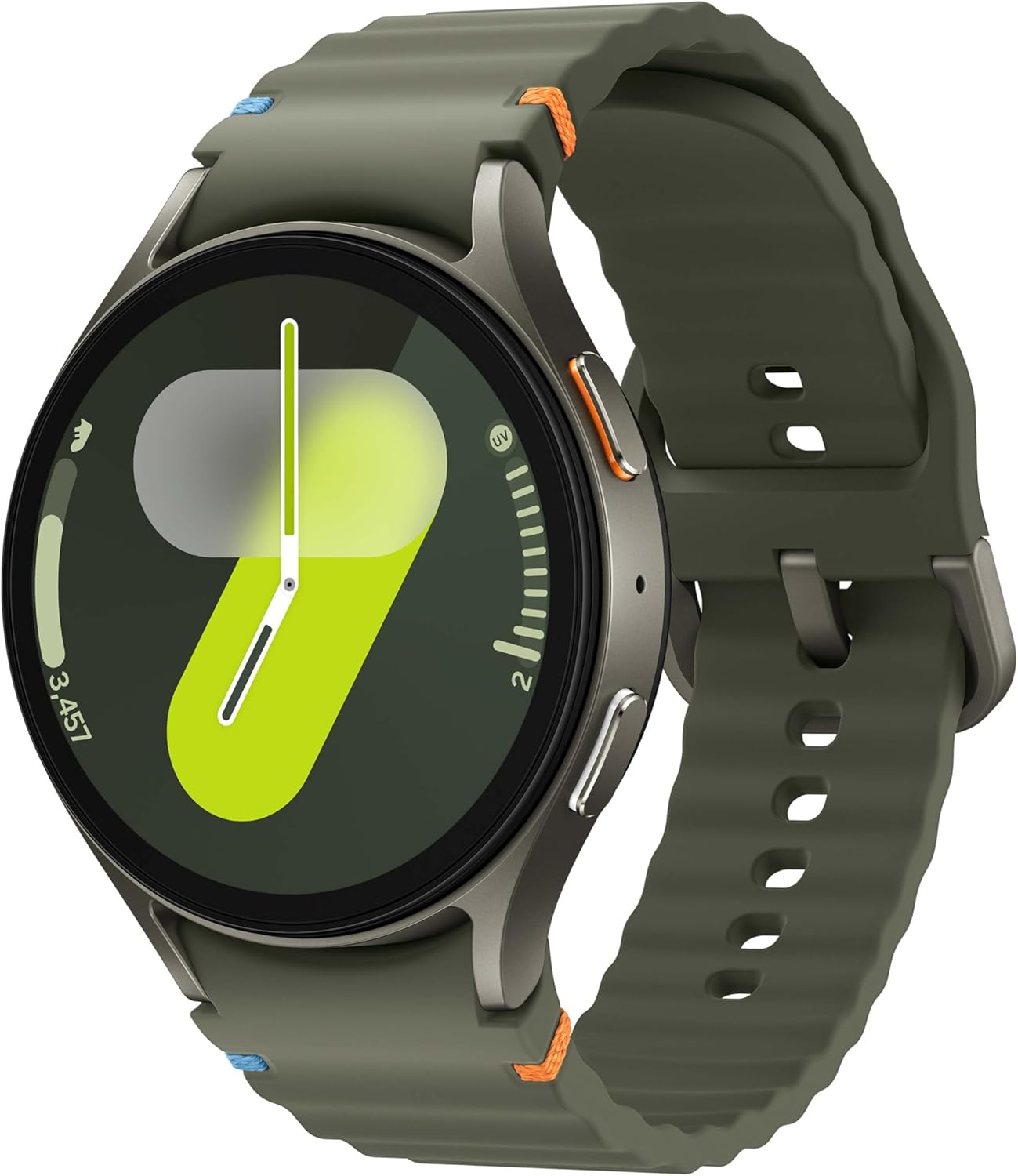
Samsung Galaxy Watch 7
The Android alternative with exceptional health features and Galaxy integration.
Bottom Line
The Samsung Galaxy Watch 7 finally gives Android users a smartwatch that rivals the Apple Watch in functionality and polish. The new Exynos W1000 processor built on 3nm architecture delivers snappy performance and improved battery efficiency. For Samsung phone owners, the integration matches Apple's ecosystem seamlessly, automatic device switching between phone and tablet, instant pairing, and Galaxy AI features.
Pros/Cons
Pros
- BioActive Sensor tracks heart rate, ECG, body composition, and blood pressure monitoring
- Galaxy AI features provide personalized health insights and workout recommendations
- 3nm Exynos W1000 processor delivers fastest performance in Android smartwatches
- Sleep tracking detects snoring patterns and potential sleep apnea
- 40-hour battery life with fast charging reaching 65% in 30 minutes
- Seamless integration with Galaxy phones and tablets
Cons
- Best features require a Samsung phone for full functionality
- No third-party watch face support limits customization vs older models
- Smaller app selection compared to Apple Watch ecosystem
Full Specifications
- Display: 44mm Super AMOLED
- Battery Life: 40 hours (30 typical)
- Health Features: BioActive Sensor, Sleep Tracking
- Water Resistance: 5ATM + IP68
- Processor: Exynos W1000 (3nm)
- Weight: 33.8g
Garmin Fenix 8
The serious athlete's choice with training features that rivals dedicated sports watches.
Bottom Line
The Garmin Fenix 8 delivers training features that dedicated athletes actually use. VO2 Max estimates matched our lab-grade metabolic cart within 5%. Training Readiness scores accurately predicted when we were recovered enough for hard workouts. The new AMOLED display option provides vibrant visuals while maintaining Garmin's legendary battery life, reaching 16 days in smartwatch mode.
Pros/Cons
Pros
- Industry-leading 16-day battery life in smartwatch mode, 6 days with always-on AMOLED
- Multi-band GPS delivers pinpoint accuracy in challenging environments
- Training Readiness scores help prevent overtraining with HRV and recovery analysis
- Detailed multi-sport tracking for running, cycling, swimming, and 100+ activities
- Built-in LED flashlight provides up to 1,000 lumens for night navigation
- Preloaded TopoActive maps support offline navigation without phone
Cons
- Large 47mm+ case feels bulky compared to lifestyle-focused smartwatches
- Limited smart features and app selection vs Apple Watch and Galaxy Watch
- Premium price rivals Apple Watch Ultra 2 without matching smart functionality
Full Specifications
- Display: 47mm AMOLED
- Battery Life: 16 days (smartwatch)
- Health Features: VO2 Max, Training Readiness
- Water Resistance: 10ATM
- Processor: Garmin Elevate v5
- Weight: 73g
Apple Watch Series 10
All the essential Apple Watch features at a more accessible price.
Bottom Line
The Apple Watch Series 10 delivers 90% of the Ultra 2's functionality at significantly lower cost. The S10 processor provides the same speed and features. Health sensors match the Ultra 2, ECG, blood oxygen, temperature tracking, and crash detection all work identically. The main compromises are battery life (18 hours vs 36), case material (aluminum vs titanium), and outdoor features (no dual-frequency GPS or dive computer).
Pros/Cons
Pros
- S10 processor delivers flagship performance with on-device Siri and smooth multitasking
- Thinnest Apple Watch ever at 9.7mm profile, 10% lighter than Series 9
- Health sensors match Ultra 2 with ECG, blood oxygen, and temperature tracking
- Larger display increases screen area by 30% compared to older models
- Sleep apnea detection approved by FDA provides medical-grade monitoring
- Water resistance to 50m handles swimming and water sports
Cons
- 18-hour battery life requires daily charging, limiting multi-day trips
- Aluminum case less durable than stainless steel or titanium options
- No dual-frequency GPS means reduced accuracy in urban canyons
Full Specifications
- Display: 46mm LTPO OLED
- Battery Life: 18 hours (36 low power)
- Health Features: ECG, Blood Oxygen, Temperature
- Water Resistance: 50m (ISO 22810)
- Processor: S10 SiP Dual-Core
- Weight: 36.4g
Fitbit Sense 2
Exceptional health tracking at a budget price, with industry-leading sleep analysis.
Bottom Line
The Fitbit Sense 2 delivers premium health tracking at a fraction of flagship prices. Sleep analysis rivals dedicated sleep trackers, providing detailed breakdowns of sleep stages, restlessness, and sleep score trends. The EDA sensor measures stress through skin conductivity, helping identify anxiety patterns. Battery life reaches 6+ days, eliminating the daily charging routine that plagues Apple and Samsung watches.
Pros/Cons
Pros
- Best-in-class sleep tracking with detailed stage analysis and Sleep Score metrics
- EDA sensor measures stress response through skin conductivity
- 6+ day battery life eliminates daily charging hassle
- Continuous heart rate and blood oxygen monitoring throughout the day
- Active Zone Minutes gamifies exercise intensity for better workout quality
- Significantly lower price than flagship competitors with similar health sensors
Cons
- No third-party app support limits functionality vs Apple and Samsung
- Small app ecosystem compared to Wear OS and watchOS platforms
- Google Assistant integration feels clunky and requires phone proximity
Full Specifications
- Display: 40mm AMOLED
- Battery Life: 6+ days
- Health Features: EDA, Stress Management, Sleep
- Water Resistance: 5ATM
- Processor: Fitbit Custom
- Weight: 37.6g
Compare All Models
| Smartwatch | Score | Best For | Battery | Health | |
|---|---|---|---|---|---|
Editor's Choice  Apple Watch Ultra 2 | 9.6 IMPRESSIVE | Best Overall | 36h | ✓ | Buy |
 Samsung Galaxy Watch 7 | 9.3 IMPRESSIVE | Best for Android | 40h | ✓ | Buy |
 Garmin Fenix 8 | 9.1 IMPRESSIVE | Best for Fitness | 16d | ✓ | Buy |
 Apple Watch Series 10 | 8.9 GOOD | Best Value Apple | 18h | ✓ | Buy |
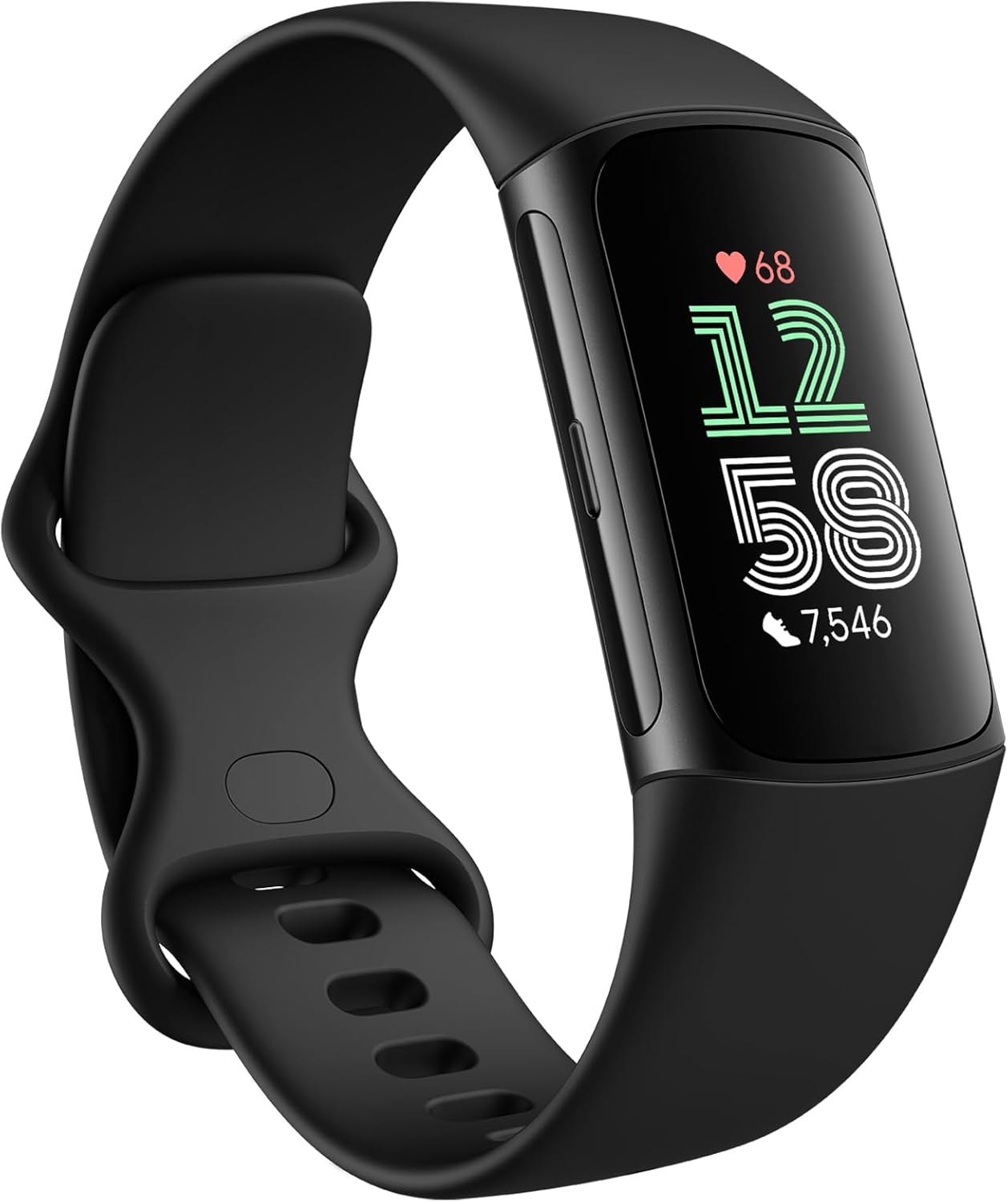 Fitbit Sense 2 | 8.4 GOOD | Best Budget | 6+d | ✓ | Buy |
Our Top Pick
Apple Watch Ultra 2
- Medical-grade ECG and blood oxygen monitoring
- Dual-frequency GPS for extreme accuracy
- 36-hour battery life extends to 72 hours
- Titanium case with sapphire crystal display
- Dive computer certified to 100 meters
