
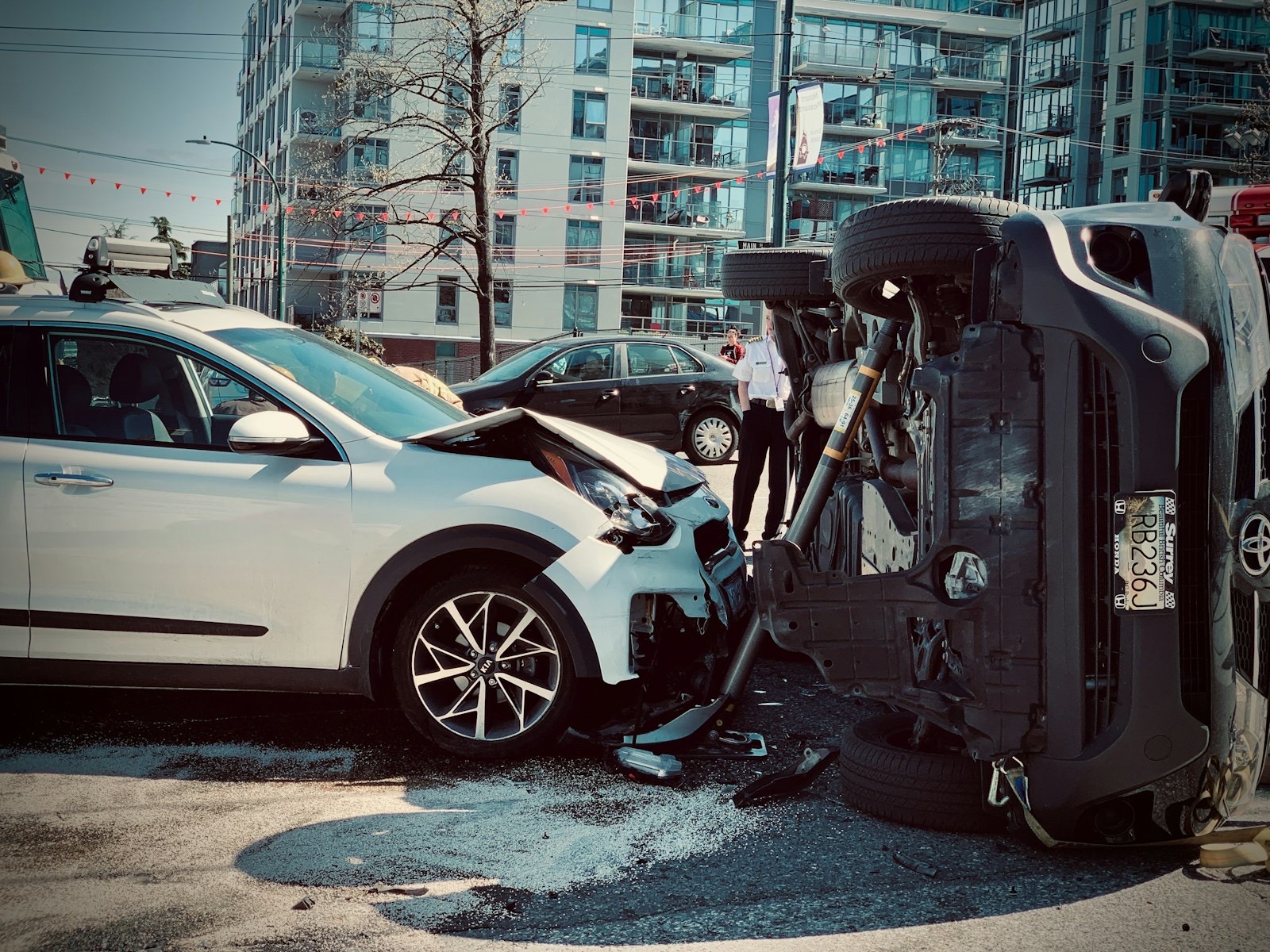
Most drivers choose coverage limits once, at the moment they buy a policy, by picking whichever option makes the premium acceptable. Then they never look again.
The limits are the policy. Everything else — the brand, the app, the discount structure — matters far less than whether the numbers are big enough on the day you need them.
Start With Liability, Because It’s the One That Can Ruin You
Liability covers damage and injuries you cause to other people. It’s written as three numbers, for example 25/50/25:
- $25,000 bodily injury per person
- $50,000 bodily injury per accident
- $25,000 property damage
Those are typical state minimums, and they are not remotely adequate. One overnight hospital stay with surgery clears $25,000 easily. A modern SUV totalled at fault clears $25,000 in property damage on its own.
When your limits are exhausted, the remainder is your personal responsibility. That means your savings, your home equity in many states, and garnished wages.
Reasonable targets:
| Situation | Suggested liability |
|---|---|
| Minimal assets, older vehicle | 50/100/50 |
| Typical household with savings | 100/300/100 |
| Homeowner with meaningful assets | 250/500/100 + umbrella |
The cost of moving from state minimum to 100/300/100 is usually far less than people expect — often $15-$30 a month — because catastrophic claims are rare. You’re buying a large amount of protection at the cheap end of the curve.
If you own a home or have significant savings, a personal umbrella policy adds $1-2 million above your auto and home liability for a few hundred dollars a year. It is the best value in personal insurance and almost nobody buys it.
Uninsured and Underinsured Motorist
This covers you when the at-fault driver has no insurance, or has 25/50/25 and put you in hospital.
A significant share of drivers are uninsured, and a much larger share carry only state minimums. Given that, UM/UIM is arguably as important as your liability coverage — and it’s inexpensive.
Set it to match your liability limits. If you carry 100/300, carry 100/300 UM/UIM.
Collision and Comprehensive
Collision pays for your car in a crash regardless of fault. Comprehensive covers everything else: theft, hail, flood, fire, falling branches, animal strikes.
Both are subject to a deductible, and both are optional unless you have a loan or lease.
When to drop them: the standard guidance is to consider dropping when the annual premium approaches 10% of the vehicle’s actual cash value. If the car is worth $3,000 and collision costs $500 a year with a $1,000 deductible, the most you can ever recover is $2,000 — you’re paying a quarter of the maximum payout every year.
Drop collision before comprehensive. Comprehensive is usually much cheaper and covers events that total a car outright.
Deductibles: moving from $500 to $1,000 typically saves 15-25%. Only do it if you hold $1,000 in cash.
Gap Insurance
If you financed or leased, and you owe more than the car is worth, gap coverage pays the difference when it’s totalled. New vehicles depreciate faster than loans amortise, particularly on long terms with small down payments.
Rule of thumb: if you put less than 20% down, or took a term of 60 months or more, you probably need it. Check whether your lender already bundled it in — many do, at worse pricing than your insurer offers.
Medical Coverage
Depending on your state this is PIP (personal injury protection) or MedPay. It covers your and your passengers’ medical costs regardless of fault, often including deductibles and copays your health plan won’t.
In no-fault states it’s mandatory and the limit selection matters. Elsewhere, MedPay is cheap and worth carrying at $5,000-$10,000 if you have a high-deductible health plan.
What You Can Skip
- Rental reimbursement — worth a few dollars a month if you’d genuinely be stranded, skippable if you have a second vehicle
- Roadside assistance — frequently duplicated by your credit card, vehicle manufacturer or an auto club membership
- New car replacement — useful in year one or two, rarely after
- Accident forgiveness — usually priced at roughly what the surcharge would cost you anyway
A Sensible Default
For a household with a mortgage, some savings and two vehicles:
- Liability 100/300/100
- UM/UIM 100/300
- Collision and comprehensive with a $1,000 deductible on vehicles worth over about $8,000
- MedPay $10,000
- Umbrella $1 million if you own property
Then shop that exact package across five carriers annually. Identical coverage, different prices — that’s where the savings are, not in cutting the limits that protect you.
For definitions of each coverage type, see our car insurance coverage guide. For what to do when you actually need it, see what to do after a car accident.